
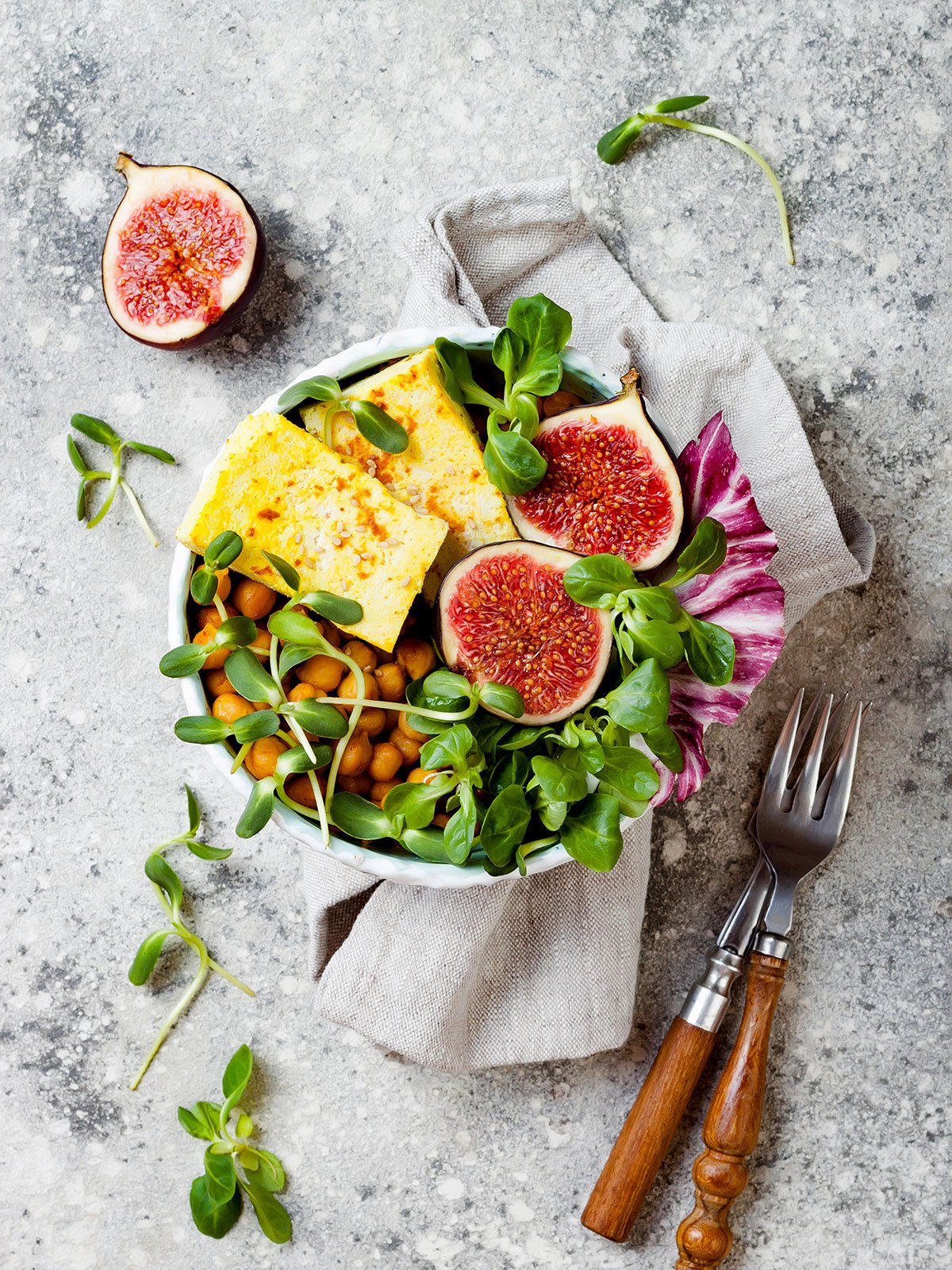
Buddha bowls have become increasingly popular in recent years, and for good reason. These delicious and nutritious meals are a great way to pack a variety of healthy ingredients into one dish. One of the best things about Buddha bowls is their versatility – you can customize them to suit your tastes and dietary needs. In this article, we’ll be exploring the Buddha bowl with tofu, a delicious and satisfying vegetarian option.
The Buddha Bowl with Tofu: A Nourishing Journey to Health
The Buddha bowl, a colorful and nutrient-packed dish, has become a symbol of balanced eating and mindful nourishment. Typically a combination of whole grains, fresh vegetables, lean protein like tofu, and a flavorful dressing, this wholesome meal caters to both the body and soul. Among the many variations, the Buddha bowl with tofu stands out for its incredible health benefits and versatility, making it a go-to option for those seeking a plant-based, nutrient-dense meal. Let’s explore the origins, components, and health benefits of this delightful dish.
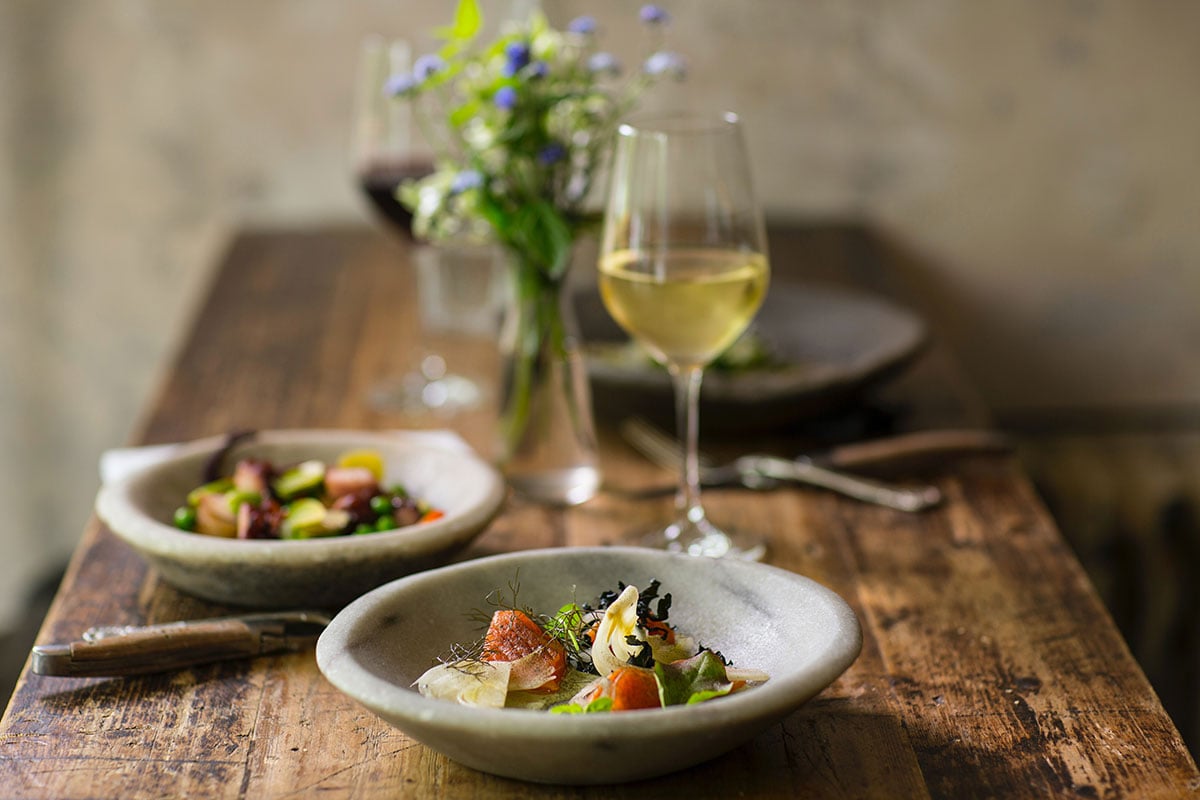
What is a Buddha bowl?
A Buddha bowl is essentially a large bowl filled with a variety of healthy ingredients. The idea behind a Buddha bowl is to create a balanced meal that includes a mix of vegetables, grains, and protein. These bowls are often topped with a flavorful sauce or dressing that ties all of the ingredients together.
The name “Buddha bowl” is said to have originated from the idea that the meal is so filling and satisfying that it would make Buddha himself feel full and content.
Buddha bowls are great for anyone who wants to incorporate more vegetables into their diet or follow a plant-based lifestyle. They can be enjoyed for lunch or dinner and are easy to make ahead of time.
“Fuel your body and soul with a vibrant Buddha bowl—nourishing tofu, fresh veggies, and mindful flavors in every bite.”
The Origin of the Buddha Bowl
The name “Buddha bowl” draws inspiration from the imagery of Buddha’s round, full belly—symbolizing a nourishing, balanced meal that satisfies both hunger and well-being. While not directly linked to Buddhism, the bowl reflects the principles of mindfulness and moderation. Traditionally, Buddhist monks would carry a bowl, filling it with small portions of food given by locals during alms rounds. Over time, the idea of a simple, wholesome, plant-based meal evolved into what we now call the Buddha bowl.
The essence of the Buddha bowl is rooted in balance—balancing different food groups, nutrients, and colors to create a visually appealing and nutritionally complete meal. It’s the ultimate reflection of mindful eating: slow, intentional, and nourishing.
When, while the lovely valley teems with vapour around me, and the meridian sun strikes the upper surface of the impenetrable foliage of my trees, and but a few stray gleams steal into the inner sanctuary, I throw myself down among the tall grass by the trickling stream; and, as I lie close to the earth.
Components of a Buddha Bowl
A classic Buddha bowl is all about variety and balance. Each ingredient serves a purpose, contributing to the overall harmony of flavors, textures, and nutrition. The key components include:
- Base (Grains or Greens): Quinoa, brown rice, or leafy greens like spinach and kale serve as the foundation of the bowl, providing essential carbohydrates and fiber.
- Protein (Tofu): Tofu is a popular choice for adding plant-based protein. It’s not only rich in protein but also low in fat, making it a heart-healthy option for vegans and vegetarians.
- Vegetables: A rainbow of fresh or roasted vegetables like carrots, cucumbers, avocados, and broccoli adds crunch, vitamins, and minerals to the dish.
- Healthy Fats: Avocados, seeds, or a drizzle of olive oil or tahini-based dressing provide the healthy fats your body needs for optimal brain and heart function.
- Toppings and Dressing: Buddha bowls are often topped with nuts, seeds, or herbs to add flavor and texture. The dressing, whether it’s a lemon-tahini sauce or soy-ginger vinaigrette, ties everything together, enhancing the taste while adding an extra layer of nourishment.
The Health Benefits of a Buddha Bowl with Tofu
What makes the Buddha bowl with tofu a standout meal is its exceptional nutritional profile. Every component works together to create a balanced, wholesome dish packed with essential nutrients.
1. Rich in Plant-Based Protein: Tofu is a fantastic source of complete protein, containing all nine essential amino acids that your body needs to function properly. For those on a plant-based diet, tofu helps meet protein needs without the saturated fats found in animal products.
2. High in Fiber: The combination of whole grains and vegetables in a Buddha bowl provides a high amount of fiber, which aids digestion, helps maintain healthy blood sugar levels, and promotes feelings of fullness, reducing the likelihood of overeating.
3. Packed with Vitamins and Minerals: Buddha bowls offer a wide range of vitamins and minerals due to the variety of fresh vegetables. Leafy greens like spinach provide iron and calcium, while carrots and bell peppers are rich in vitamin C, which boosts immunity and promotes skin health.
4. Supports Heart Health: Tofu is naturally low in saturated fat and cholesterol-free, making it a heart-healthy protein option. Combined with healthy fats from avocados or nuts, this meal helps promote cardiovascular health and reduce the risk of heart disease.
5. Promotes Balanced Eating: One of the primary goals of the Buddha bowl is to offer a balanced meal. By incorporating different food groups—grains, proteins, vegetables, and fats—it ensures that you receive a variety of nutrients in one satisfying dish.
6. Vegan-Friendly and Versatile: A Buddha bowl with tofu is an excellent option for vegans and vegetarians, providing all the essential nutrients from plant-based sources. It’s also versatile enough to cater to different tastes and dietary restrictions, with options to customize ingredients based on personal preference.
A Delicious Path to Mindful Eating
In a world of fast food and processed meals, the Buddha bowl represents a return to simplicity and mindfulness. Preparing and enjoying a Buddha bowl with tofu encourages you to slow down, appreciate the natural flavors of whole foods, and nourish your body with nutrient-dense ingredients. Each bite is a celebration of balance—balancing nutrition, flavors, and textures.
Whether you’re seeking a healthy plant-based meal, a source of high-quality protein, or simply a colorful, delicious dish, the Buddha bowl with tofu is a perfect choice. Not only does it provide essential nutrients, but it also serves as a reminder to be mindful of what you eat and how it fuels your body. So, the next time you’re looking for a meal that’s as nourishing as it is satisfying, remember the Buddha bowl—an ancient concept brought to life with modern, health-conscious ingredients.

Ingredients
For the Tofu
-
14–16 oz (400–450g) extra firm tofu, pressed and cubed
-
2–3 tsp low-sodium soy sauce or tamari
-
1 tbsp cornstarch or arrowroot
Bowl Base Ingredients
-
2 cups cooked brown rice or quinoa
-
2 medium sweet potatoes, diced
-
1 cup broccoli florets
-
1 cup shredded red or green cabbage
-
½ cup grated carrots
-
1 cup cooked chickpeas (drained and rinsed)
-
Handful baby spinach
-
1–2 tbsp olive oil (for roasting)
-
¼ cup chopped green onion or cilantro (for garnish)
-
¼ cup pumpkin seeds, hemp hearts, or chopped peanuts (optional)
Dressing (Creamy Ginger-Tahini)
-
¼ cup tahini (or peanut butter)
-
3 tbsp lime juice
-
2 tbsp low-sodium soy sauce or tamari
-
1 tsp grated fresh ginger
-
1 clove garlic, minced
-
2 tsp maple syrup or date syrup
-
½ tsp crushed red pepper (optional)
-
⅓ cup warm water (plus more as needed for thinning)
Instructions
-
Cooking Instructions
-
Prep the Tofu:
-
Preheat oven to 400°F (200°C) and line a baking sheet.
-
Press tofu for 10–15 minutes to remove excess water, then cut into cubes.
-
Toss tofu with 2–3 tsp soy sauce and 1 tbsp cornstarch until coated. Arrange in a single layer on the sheet.
-
-
Roast Vegetables:
-
Dice sweet potatoes and cut broccoli into florets.
-
Toss veggies with 1–2 tbsp olive oil, salt, and pepper. Spread on a separate baking sheet.
-
Bake tofu and vegetables for 25–30 minutes, flipping halfway, until tofu is crisp and veggies are tender.
-
-
Prepare Grains and Chickpeas:
-
Cook 2 cups brown rice or quinoa as per package instructions.
-
Drain and rinse chickpeas.
-
-
Mix the Dressing:
-
Whisk together tahini, lime juice, soy sauce, ginger, garlic, maple syrup, red pepper, and water until smooth. Adjust thickness as needed.
-
-
Assemble the Bowls:
-
Divide cooked rice/quinoa among 4 bowls.
-
Top with equal portions of roasted tofu, sweet potatoes, broccoli, cabbage, carrots, spinach, and chickpeas.
-
Drizzle with creamy ginger-tahini dressing.
-
Garnish with green onion, cilantro, and seeds/nuts.
-
-
Notes
-
Customization: Swap in any seasonal veggies you like (e.g., zucchini, bell pepper, cauliflower).
-
Meal Prep: Store undressed bowls in airtight containers in the fridge for up to 4 days; keep dressing separate for freshness.
-
Allergy-Friendly: Use tamari for gluten-free, nut-free dressing options if needed.
-
Cuisine Type: This bowl is Asian-inspired but adaptable to your preferred flavor profile.
This Buddha Bowl is filling, nourishing, and especially good for anyone seeking a vegan, balanced meal. With crisp tofu, hearty veggies, and a creamy tangy dressing, it’s both satisfying and nutrient-rich.
Have any thoughts?
Share your reaction or leave a quick response — we’d love to hear what you think!
-
 1
1
-
 0
0
-
 0
0
-
 0
0
-
 0
0
-
 0
0