Philadelphia Food Network and Recipes
  • Home
    • Main Website
  • Recipes
  • Meals
    • 30 Minute Meals
    • Beef Meals
    • Breakfast & Pastries
    • Chicken Meals
    • Fish Meals
    • Pork Meals
    • Seafood Meals
    • Turkey Meals
    • Vegan & Vegetarian Meals
    • Other Meals
  • Categories
    • Barbecue
    • Casseroles
    • Cheesesteak
    • Cultural Dishes
    • Featured
    • Grilling
    • Pasta
    • Pizza
    • Popular Recipes
    • Soul Food
    • Soups & Salads
  • About Us
  • Contact Us
  • Submit Your Recipe
Top Posts
Strawberry Cream Cheese Muffins
Blueberry Sausage Pancake Bake
School Breakfast Pizza
Strawberry Twists with Lemon Glaze Recipe
Biscuits and Gravy Casserole
Greek Lemon Chicken Soup
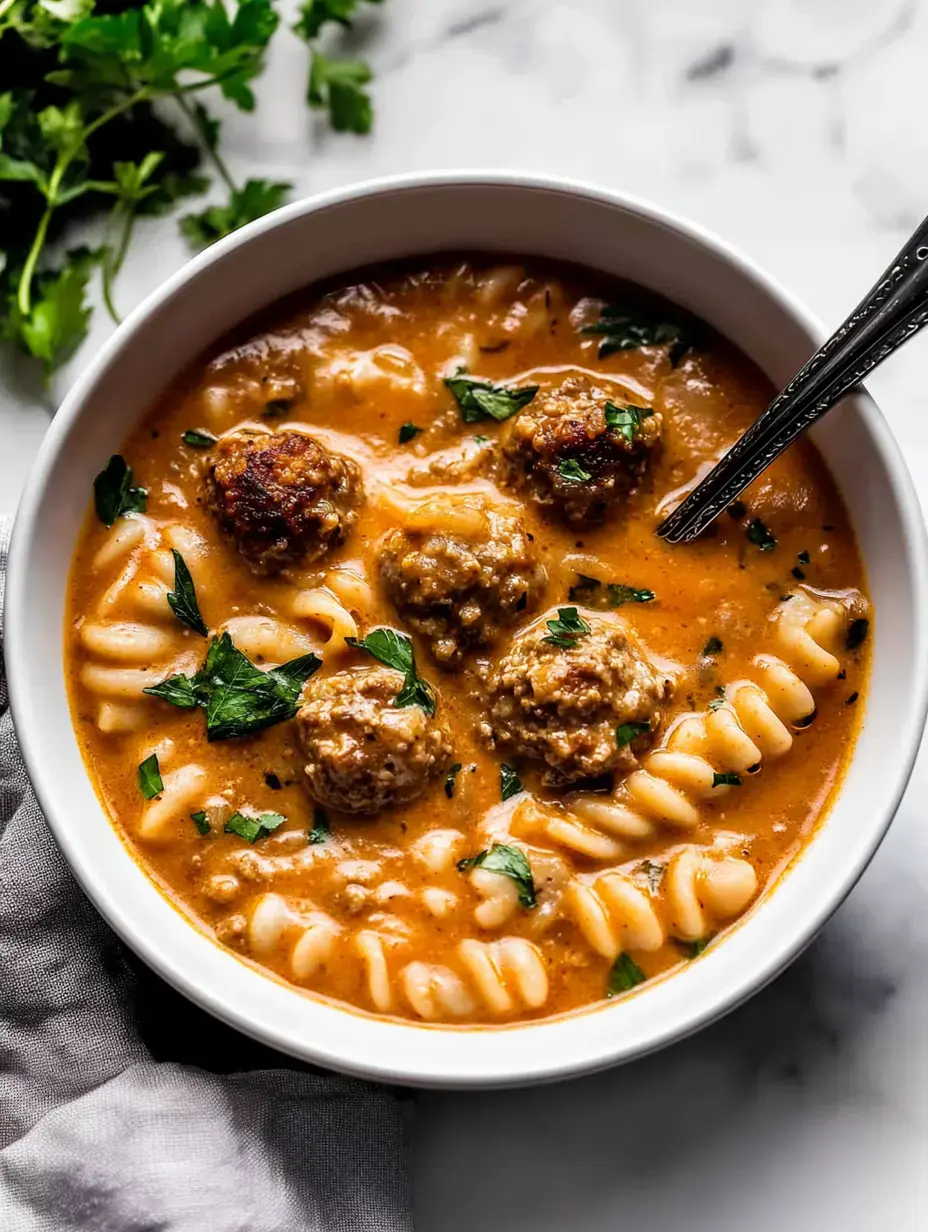
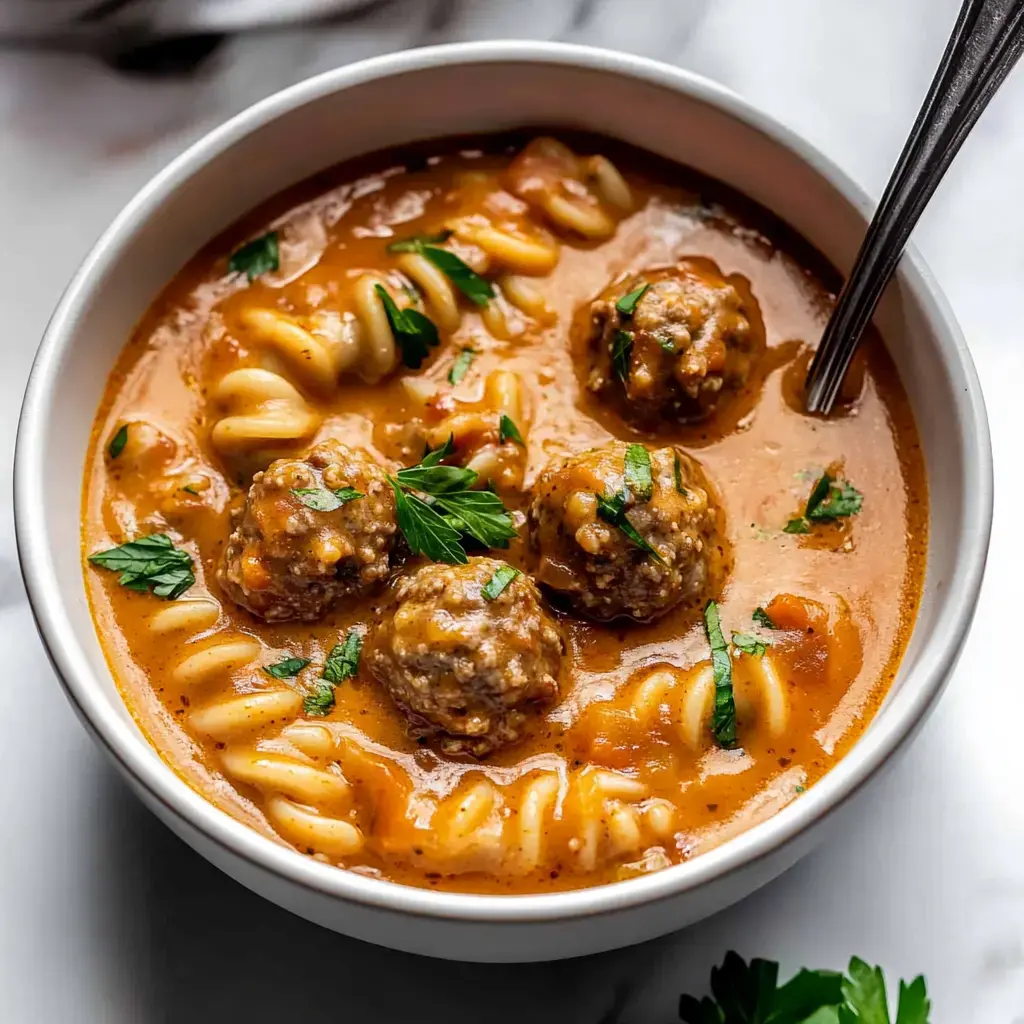
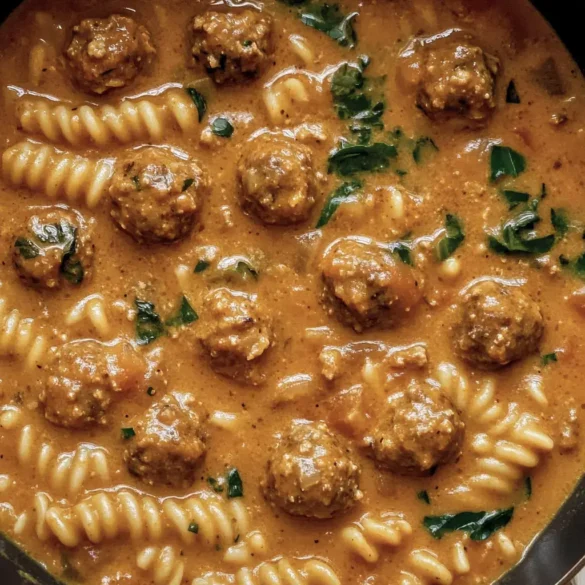
Meatball Soup
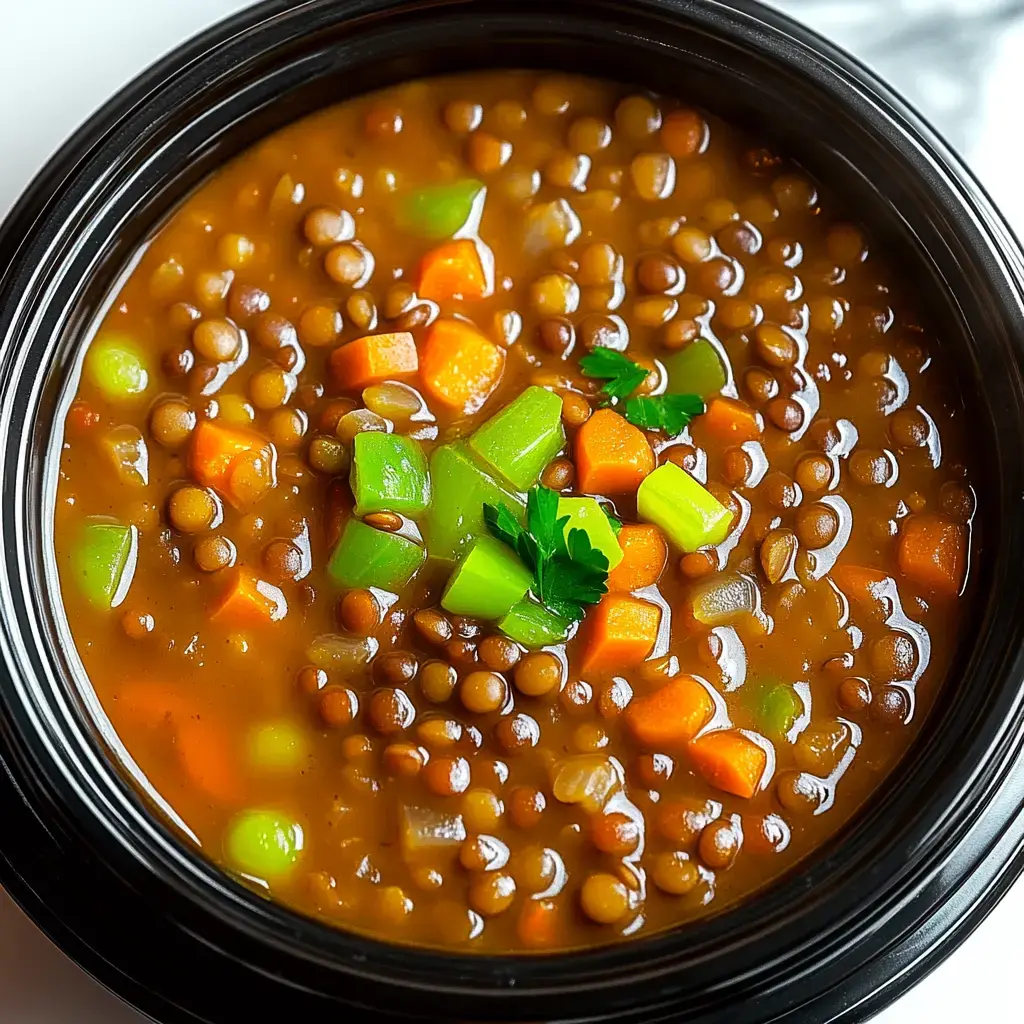
Crockpot Lentil Soup
Turkey & Ham Croissant Melts
Leftover Turkey Soup
Philadelphia Food Network and Recipes
  • Home
    • Main Website
  • Recipes
  • Meals
    • 30 Minute Meals
    • Beef Meals
    • Breakfast & Pastries
    • Chicken Meals
    • Fish Meals
    • Pork Meals
    • Seafood Meals
    • Turkey Meals
    • Vegan & Vegetarian Meals
    • Other Meals
  • Categories
    • Barbecue
    • Casseroles
    • Cheesesteak
    • Cultural Dishes
    • Featured
    • Grilling
    • Pasta
    • Pizza
    • Popular Recipes
    • Soul Food
    • Soups & Salads
  • About Us
  • Contact Us
  • Submit Your Recipe
Philadelphia Food Network and Recipes
  • Home
    • Main Website
  • Recipes
  • Meals
    • 30 Minute Meals
    • Beef Meals
    • Breakfast & Pastries
    • Chicken Meals
    • Fish Meals
    • Pork Meals
    • Seafood Meals
    • Turkey Meals
    • Vegan & Vegetarian Meals
    • Other Meals
  • Categories
    • Barbecue
    • Casseroles
    • Cheesesteak
    • Cultural Dishes
    • Featured
    • Grilling
    • Pasta
    • Pizza
    • Popular Recipes
    • Soul Food
    • Soups & Salads
  • About Us
  • Contact Us
  • Submit Your Recipe
Copyright 2021 - All Right Reserved
Turkey Meals

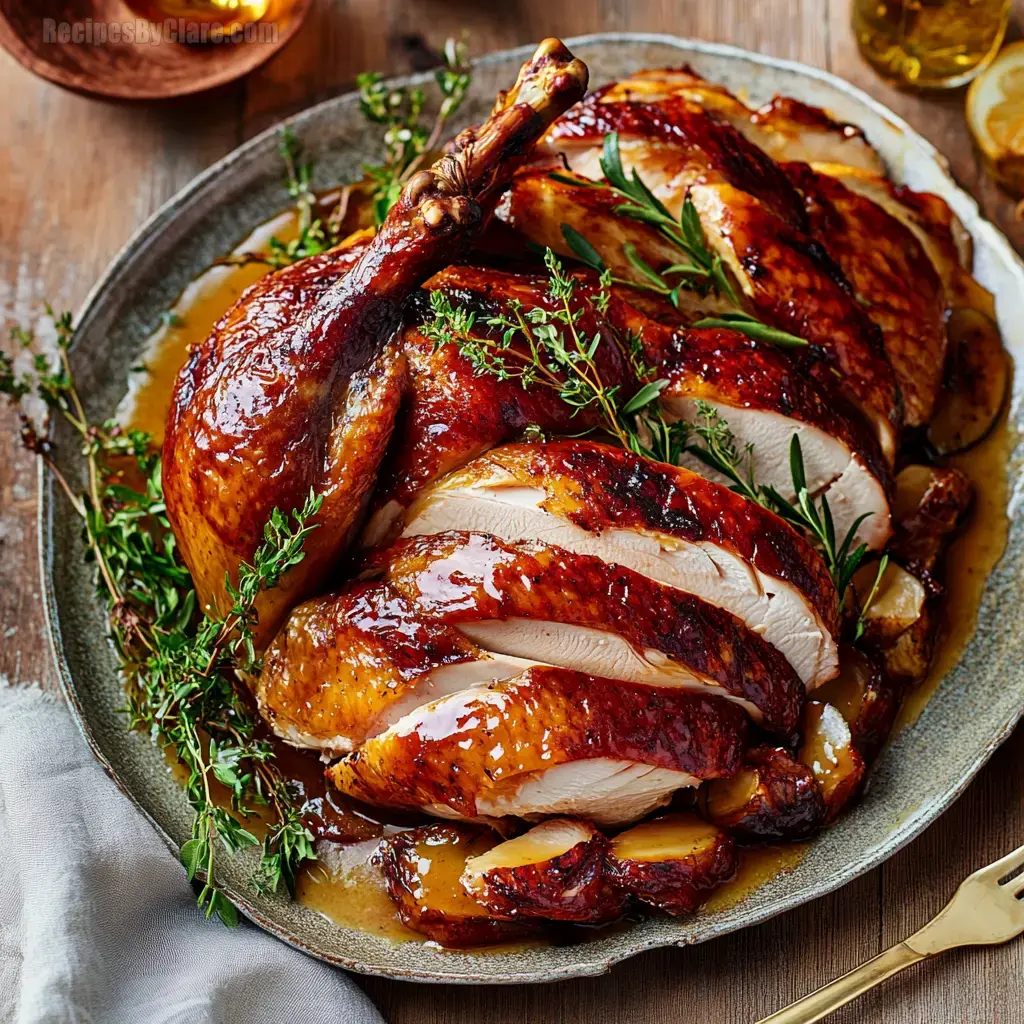
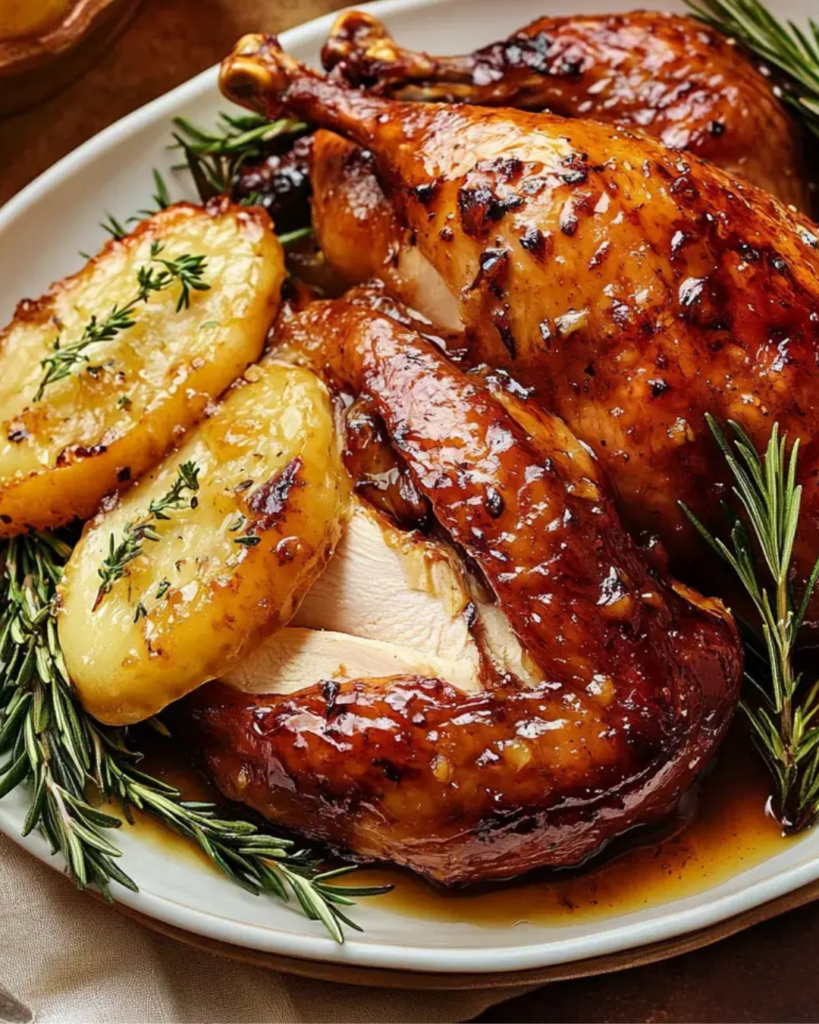
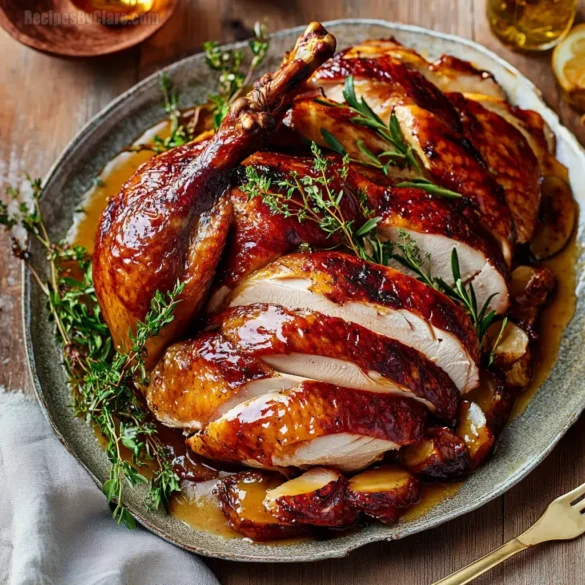
Maple-Butter-Glazed Turkey

by myphillyconnection February 26, 2026
written by myphillyconnection

This Maple-Butter-Glazed Turkey is a holiday showstopper, offering a blend of sweet maple syrup and savory butter for a juicy, flavorful main course. By dry brining the turkey with a savory blend of kosher salt, brown sugar, and seasonings, the meat remains moist and tender. The glaze, made from butter, maple syrup, soy sauce, and a touch of vinegar, creates a beautifully caramelized exterior as it bakes. Regular basting ensures maximum flavor absorption, while the turkey rests to preserve its juices. A perfect centerpiece for Thanksgiving or any special gathering.

Elevate your holiday table with this Maple-Butter-Glazed Turkey, a perfect combination of sweet and savory flavors. The secret to its juiciness lies in the dry brine, which locks in moisture and deeply infuses flavor into the meat.INGREDIENTS

  • Turkey: 12-14 lb, with neck and giblets removed, for a hearty main
  • Black Peppercorns: 1 Tbsp, coarsely ground for seasoning
  • Kosher Salt: ⅔ cup (or 6 Tbsp plus ½ tsp Morton salt), essential for dry brining
  • Garlic Powder: 2 Tbsp, for added flavor
  • Light Brown Sugar: 2 Tbsp, for a hint of sweetness
  • Vegetable or Olive Oil: 1 Tbsp, to coat
  • Water: 1 cup, added during roasting
  • Unsalted Butter: ½ cup (1 stick), for the glaze
  • Pure Maple Syrup: ¼ cup, for sweetness in the glaze
  • Soy Sauce or Tamari: 2 Tbsp, for a savory note
  • Unseasoned Rice Vinegar or White Wine Vinegar: 2 Tbsp, for balance
  • Worcestershire Sauce: 1 Tbsp, for depth of flavor
  • Thyme: 2 sprigs, for aromatic infusion

INSTRUCTIONS

Step 1: Prepare the turkey by removing the legs and wings, separating the breast, and optionally trimming the backbone. Pat all pieces dry.
Step 2: Mix coarsely ground black peppercorns, kosher salt, garlic powder, and brown sugar. Coat all turkey pieces with this dry brine and place on a wire rack over a baking sheet. Chill for up to 1 day.
Step 3: Prepare the glaze by combining butter, maple syrup, soy sauce, vinegar, Worcestershire sauce, and thyme in a saucepan over medium heat. Cook until thickened.

Step 4: Preheat oven to 425°F. Arrange brined turkey pieces on a wire rack over a baking sheet with 1 cup of water. Roast for 20-30 minutes.

Step 5: Reduce oven temperature to 300°F and continue roasting for 50-70 minutes, brushing the turkey with the prepared glaze every 20 minutes.

Step 6: Once roasted, allow the turkey to rest before carving and serving.Serving and Storage Tips

  • Serve hot, arranged on a platter with herbs for a festive presentation.
  • Store leftovers in the refrigerator for up to 3-4 days, or freeze for longer preservation.
  • Reheat gently to maintain juiciness.

Helpful Notes

  • Adjust the amount of glaze based on desired sweetness and richness.
  • For a deeper flavor, add a few smashed garlic cloves during roasting.

Tips from Well-Known Chefs

  • Chef Brown recommends basting frequently to ensure a deeply caramelized and flavorful crust.
  • Chef Lee suggests using tamari for a gluten-free version of the glaze without sacrificing flavor.
Maple-Butter-Glazed Turkey

Maple-Butter-Glazed Turkey

Serves: 6 Prep Time: 1440 minutes Cooking Time: 100 minutes 100 minutes
Nutrition facts: 300 calories 20 grams fat
Rating: 5.0/5
( 1 voted )
Pin
Print

Ingredients

12-14 lb Turkey (neck and giblets removed).
1 Tbsp Black peppercorns, coarsely ground.
⅔ cup Kosher salt (or 6 Tbsp plus ½ tsp Morton salt).
2 Tbsp Garlic powder.
2 Tbsp Light brown sugar.
1 Tbsp Vegetable oil or olive oil.
1 cup Water.
½ cup (1 stick) Unsalted butter.
¼ cup Pure maple syrup.
2 Tbsp Soy sauce or tamari.
2 Tbsp Unseasoned rice vinegar or white wine vinegar.
1 Tbsp Worcestershire sauce.
2 sprigs Thyme.

Instructions

Remove turkey legs and wings, separate the breast, and optionally trim the backbone. Pat turkey pieces dry.

Coarsely grind black peppercorns and mix with kosher salt, garlic powder, and brown sugar. Coat turkey pieces with this mixture and place them on a wire rack over a baking sheet. Chill for up to 1 day to dry brine.

In a saucepan, cook unsalted butter, pure maple syrup, soy sauce, vinegar, Worcestershire sauce, and thyme over medium heat until thickened, creating a glaze.

Preheat the oven to 425°F. Arrange brined turkey pieces on a wire rack over a baking sheet with 1 cup water. Roast for 20-30 minutes.

Reduce oven heat to 300°F and continue roasting for another 50-70 minutes, brushing the turkey with the prepared glaze every 20 minutes.

Once done, allow the turkey to rest before carving and serving.

Notes

  1. This maple-butter-glazed turkey offers a blend of sweet and savory flavors perfect for holiday gatherings.
  2. Dry brining the turkey enhances flavor and ensures a moist texture.
  3. Regular glazing during roasting creates a beautifully caramelized and flavorful exterior.

Allergy Information

Please check ingredients for potential allergens and consult a health professional if in doubt.

Nutrition Facts (Per Serving)

It is important to consider this information as approximate and not to use it as definitive health advice.
  • Calories: ~
  • Total Fat: ~
  • Total Carbohydrate: ~
  • Protein: ~
0 comments
0 FacebookTwitterPinterestPocketEmail
Turkey Meals

Crockpot Turkey Breast

by myphillyconnection February 26, 2026
written by myphillyconnection

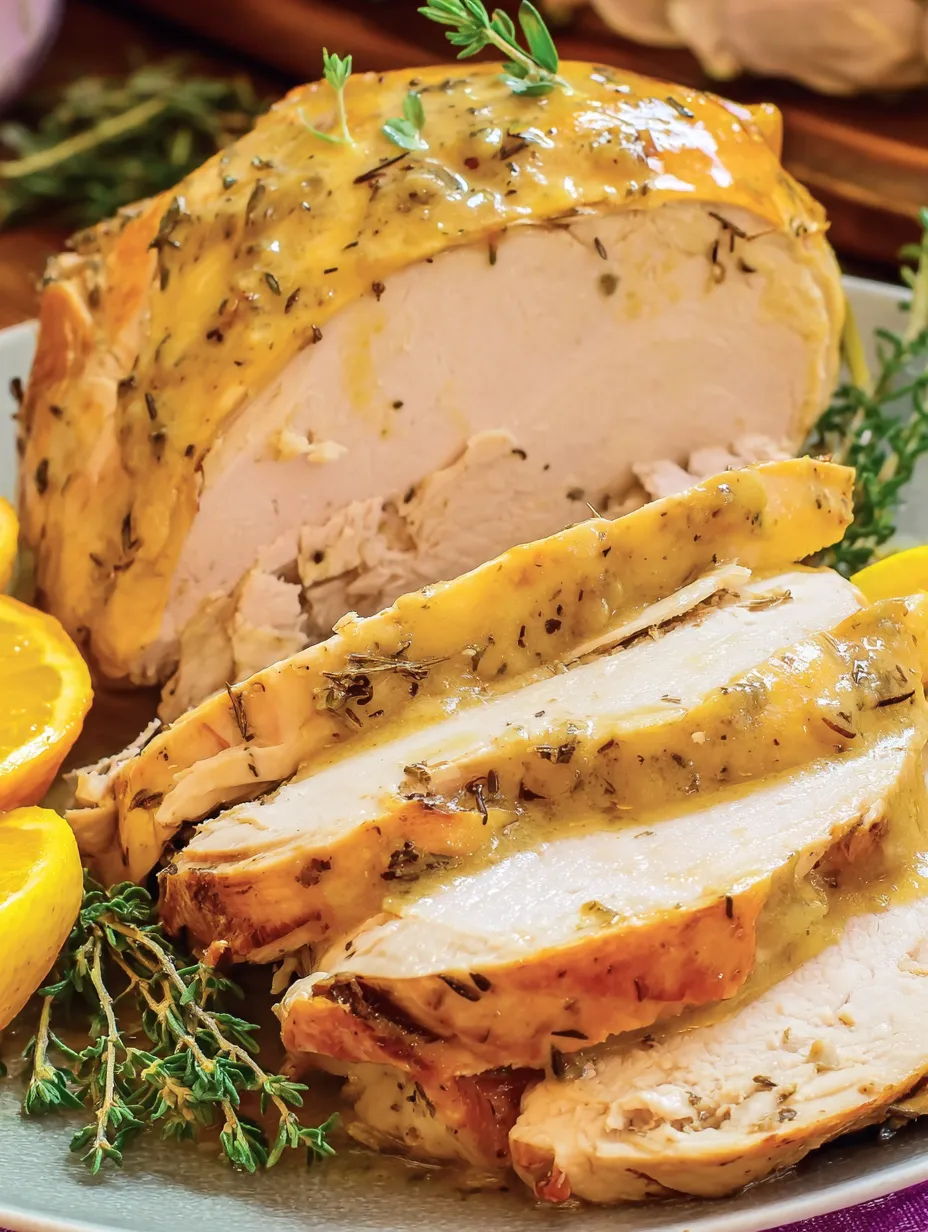
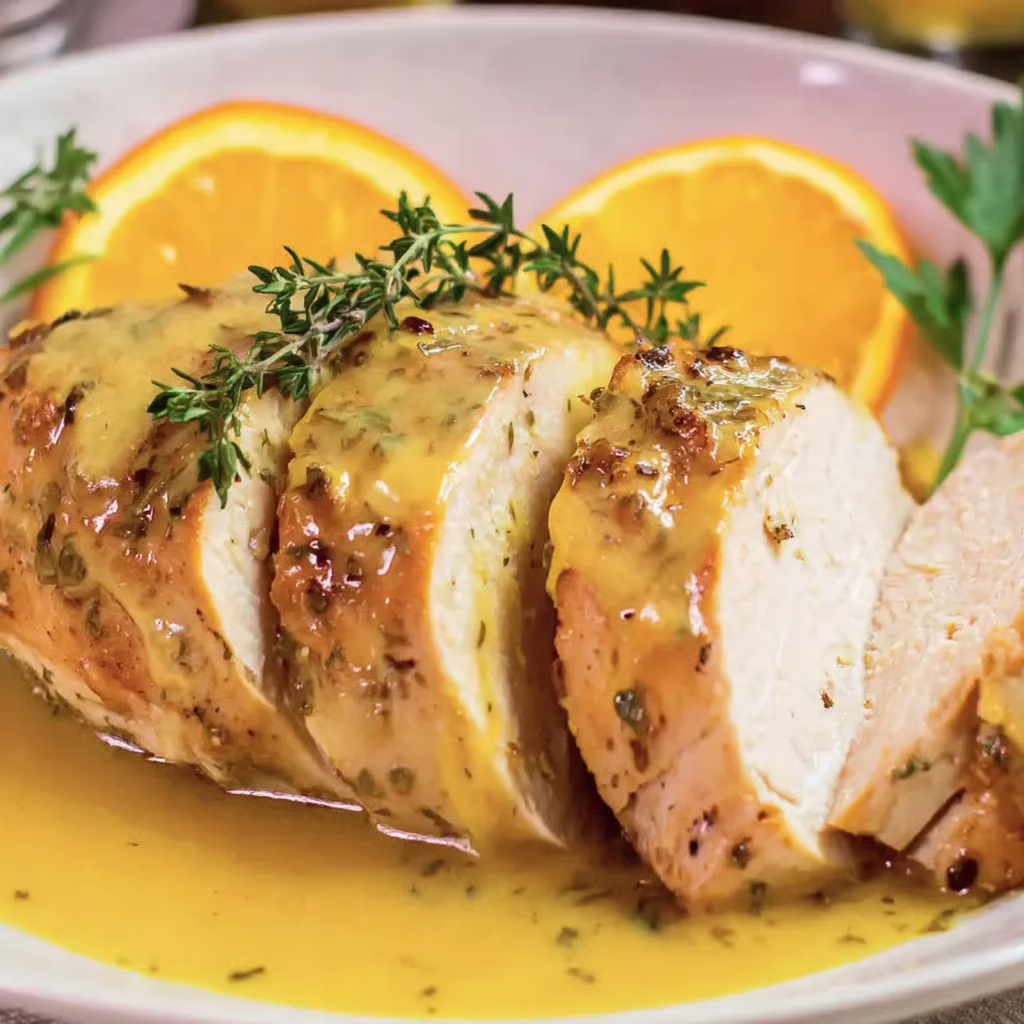
Making a whole turkey for just a few people always seemed wasteful to me, but I still wanted that classic holiday turkey flavor without heating up my oven for hours or dealing with a massive bird. This slow cooker turkey breast changed everything. You season a bone-in turkey breast with fresh herbs, throw some oranges and herb sprigs in the bottom of your crockpot for aromatics, pour in some broth, and let it cook low and slow for about five hours. What comes out is this incredibly juicy, tender turkey that practically falls off the bone and tastes like you spent all day fussing over it. I made this for Thanksgiving a few years back when we were doing a small family dinner, and my dad kept saying it was the moistest turkey he’d ever had. Now I make it way more often than just holidays because it’s so easy and gives you amazing turkey sandwiches for days afterward.

Why This Recipe Wins

  • The slow cooker keeps everything moist and prevents that dry, overcooked turkey problem that happens so often with roasting, giving you tender meat that stays juicy all the way through
  • You only spend about ten minutes on actual prep work and then the crockpot does everything else while you do other things, which is perfect for busy holidays or when you just don’t want to babysit dinner
  • Using a turkey breast instead of a whole bird means you get way more meat per pound without dealing with dark meat that cooks at different rates or trying to carve around a complicated carcass
  • The oranges and fresh herbs create this aromatic steam that infuses the meat with incredible flavor from the inside out while it cooks, making every bite taste special

My sister is not a confident cook. She usually brings store-bought desserts to family gatherings because she’s convinced she’ll mess up anything homemade. But after eating this turkey at my house, she asked if I thought she could make it for Christmas dinner at her place. I told her if she could throw things in a crockpot and turn it on, she could definitely make this. She did it and sent me a photo of her finished turkey looking gorgeous, with a text that just said “I CAN’T BELIEVE I MADE THIS.” Her husband told me later it was the first time she’d ever successfully cooked a main dish for a holiday meal, and now she makes it all the time.

What Goes Into It

  • Bone-in turkey breast: Get one that weighs between 6 and 7 pounds with the skin still on. The bone keeps the meat juicy while it cooks, and the skin protects the meat from drying out even though it won’t get crispy in the slow cooker.
  • Oranges: Two of them quartered up to throw in the bottom of the crockpot. As they heat, they release their juices and oils, which steam up and flavor the turkey from below. You can also use one orange and one lemon if you want more tartness.
  • Fresh thyme sprigs: Whole sprigs with the leaves still on the stems go in the bottom for aromatics. The slow, gentle heat releases their earthy, slightly minty flavor throughout the cooking process.
  • Fresh rosemary sprigs: More whole sprigs for the bottom layer. Rosemary has this piney, robust flavor that pairs perfectly with poultry and gets stronger as it cooks in all that moisture.
  • Olive oil: Just enough to help the herbs and seasonings stick to the turkey skin and create a base for browning later if you want to crisp it up under the broiler.
  • Chopped fresh thyme: This time you chop the leaves finely to rub directly on the turkey skin. Fresh herbs taste way better than dried in this recipe because their oils are more vibrant and aromatic.
  • Chopped fresh rosemary: Also chopped fine for rubbing into the skin. Make sure to chop rosemary really well because the leaves can be kind of tough and woody if left in big pieces.
  • Sea salt: Fine sea salt distributes more evenly over the skin than coarse salt. You’ll use between one and two teaspoons depending on how salty you like things.
  • Black pepper: Freshly ground gives you the best flavor. Pre-ground pepper from a jar that’s been sitting in your cabinet for a year won’t have the same punch.
  • Chicken broth: Low-sodium is important because you’re adding salt separately and you can always add more salt at the end but you can’t take it away. This creates the cooking liquid that keeps everything moist. You could also use apple cider for a slightly sweeter, more fall-flavored version.
Crockpot Turkey Breast

Cooking the Turkey

Preparing the meat:

Take your turkey breast out of whatever packaging it came in and remove any little plastic pop-up thermometers or tags that might be stuck in it. Grab some paper towels and pat the entire turkey dry, getting the skin as moisture-free as possible. This helps the seasonings stick better and will matter later if you decide to brown the skin. Set your dried turkey aside on a clean plate or cutting board while you prep your slow cooker.

Building the base layer:

Get out your largest slow cooker—you need one big enough to fit a 6 to 7 pound turkey breast comfortably. Take your two oranges and cut each one into quarters, then drop all those quarters into the bottom of the slow cooker insert. They don’t need to be arranged in any particular pattern, just scattered across the bottom. Add your four sprigs of fresh thyme and four sprigs of fresh rosemary right on top of the oranges. These aromatics will sit under the turkey and release their flavors as they heat up, creating this fragrant steam that works its way up through the meat.

Seasoning the turkey:

Drizzle your tablespoon of olive oil all over the turkey breast, using your hands to rub it into the skin so the entire surface gets coated with a thin layer of oil. In a small bowl, mix together your chopped thyme, chopped rosemary, salt, and pepper. Sprinkle this herb mixture all over the oiled turkey skin, then use your hands again to rub it in really well, pressing it into the skin so it adheres. Make sure you get herbs on all sides of the turkey breast, not just the top. The more evenly you distribute the seasonings, the more flavorful every part of the turkey will be.

Setting up the slow cooker:

Carefully place your seasoned turkey breast into the slow cooker, setting it right on top of the oranges and herbs you put in the bottom. The turkey will probably be sitting kind of tilted because of the oranges underneath, and that’s completely fine. Pour your cup of chicken broth around the turkey, letting it pool in the bottom of the slow cooker. Don’t pour it directly over the top of the turkey or you’ll wash off all those herbs you just rubbed in. The broth will create moisture in the cooking environment and mix with the juices from the oranges and turkey as everything cooks.

Slow cooking process:

Put the lid on your slow cooker and make sure it’s sealed properly all the way around. Turn the heat to low and set a timer for five hours. Resist the urge to lift the lid and check on it during cooking because every time you open the slow cooker, you release heat and moisture and add to your total cooking time. After five hours, use an instant-read thermometer to check the internal temperature by sticking it into the thickest part of the breast without touching the bone. You’re looking for 165 degrees, which is the safe temperature for poultry. If it hasn’t reached that yet, put the lid back on and keep cooking, checking every thirty minutes until it hits 165. Depending on your slow cooker and the exact size of your turkey breast, total cooking time could be anywhere from five to seven hours.

Resting the meat:

Once your turkey reaches 165 degrees, very carefully lift it out of the slow cooker using sturdy tongs or two large spatulas. Be gentle because the meat will be so tender it might want to fall apart. Set the turkey on a cutting board or serving platter and immediately cover it loosely with aluminum foil. Let it rest under that foil tent for a full 20 minutes without cutting into it. This resting time lets the juices redistribute throughout the meat so they don’t all run out onto your cutting board when you start slicing. I know it’s tempting to cut right in, but waiting those 20 minutes makes a noticeable difference in how juicy each slice turns out.

Optional browning step:

The skin on slow cooker turkey won’t be crispy since it’s been steaming in moisture for hours. If you want that golden-brown, slightly crispy skin for presentation, use a sharp knife to carefully remove both turkey breast halves from the bone while keeping them in large pieces. Turn your oven to broil and line a baking sheet with foil. Place the turkey breast pieces skin side up on the prepared sheet and slide it under the broiler. Watch it constantly because broilers are aggressive and things go from golden to burnt really fast. After about 3 to 5 minutes, when the skin looks golden brown and slightly crispy, pull it out immediately. Tent it with foil again and let it rest another few minutes if needed, then slice and serve. Browning is totally optional—the turkey tastes amazing either way, but it does look more impressive and traditional with that golden skin.

Important Things to Know

  • Bone-in: The bone-in breast stays significantly juicier than boneless because the bone conducts heat more slowly and protects the meat from overcooking while adding flavor throughout the cooking process
  • Low Heat: Cooking on low rather than high gives you much better texture and moisture retention, even though it takes longer, because the gentle heat doesn’t force the meat fibers to contract and squeeze out their juices
  • Timing: Every slow cooker runs a little differently in terms of temperature, so your cooking time might vary by an hour or more from someone else making this exact recipe with a different brand or model
  • Resting: Letting the turkey rest after cooking is just as important as the cooking itself because cutting into it immediately causes all the juice to flood out instead of staying in the meat where you want it

The first time I made turkey in a slow cooker, I used a boneless breast thinking it would be easier to deal with. That turkey came out drier and way less flavorful than when I finally tried it with a bone-in breast. The bone really does make that much difference, both in keeping things moist and in adding that deeper turkey flavor you expect. Now I always buy bone-in even though it costs a bit more per pound, because the results are so much better.

I learned about resting the hard way. Early on, I’d pull the turkey out of the slow cooker and immediately start carving it because I was excited and hungry. All this juice would pour out onto my cutting board, and then when people actually ate the turkey, it seemed kind of dry. Once I started forcing myself to wait that full 20 minutes before cutting, the difference was obvious. The meat stayed juicier and every slice was tender instead of just the middle pieces being good while the ends were dry.

My slow cooker runs a little hot compared to some others I’ve used at friends’ houses. The first few times I made this, I’d check at five hours and the turkey was already at like 175 degrees, which is technically overcooked even though it still tasted fine because of the moist environment. Now I start checking around four and a half hours just to be safe. Getting an instant-read thermometer was one of the best kitchen purchases I ever made because it takes all the guessing out of when things are actually done.

The fresh herbs are really worth it for this recipe. I tried making it with dried herbs once when I didn’t feel like going to the store, using the usual conversion of one-third the amount. It was okay but nowhere near as fragrant and flavorful as when I use fresh. Fresh herbs release their oils slowly over those long cooking hours, perfuming the whole house and infusing the turkey in a way dried herbs just can’t match.

Using low-sodium broth matters more than I initially thought. I used regular broth the first time and the turkey came out tasting too salty, especially near the bottom where it was sitting in the cooking liquid. Low-sodium lets you control the salt level with what you rub on the skin, and you can always add more salt to individual slices when serving if someone wants it.

Serving This Turkey

Slice your rested turkey breast across the grain into pieces about half an inch thick and arrange them on a warmed platter for a nice presentation. This turkey works beautifully as your main protein for Thanksgiving, Christmas, or any holiday meal where you want something special without the hassle of a whole bird. Serve it with classic sides like mashed potatoes, stuffing, cranberry sauce, and roasted vegetables for a traditional spread. The leftovers make incredible sandwiches with cranberry sauce and mayo on soft bread, which honestly might be better than the actual meal. For a lighter dinner, serve sliced turkey over a big green salad with nuts and dried cranberries. The cooking liquid left in your slow cooker can be strained and used as a base for gravy if you want to go that route, just skim off any fat and thicken it with a flour or cornstarch slurry.

Different Ways to Try It

Season the turkey with a dry rub made from brown sugar, smoked paprika, and cumin instead of the herbs for a completely different flavor profile with more sweetness and smoke. Use maple syrup mixed with Dijon mustard as a glaze rubbed on before cooking for a sweet and tangy variation. Throw some chopped apples and onions in the bottom instead of oranges for a more savory, fall-inspired version. Add a few cloves of garlic to the bottom aromatics for deeper, richer flavor throughout. Try using grapefruit instead of oranges for a more tart, slightly bitter citrus note. Rub the turkey with butter mixed with dried cranberries and sage for a classic New England style. Add a splash of white wine to the chicken broth for a more sophisticated cooking liquid. Mix some honey with the olive oil before rubbing on the herbs for subtle sweetness that caramelizes slightly during cooking.

Keeping and Reheating Leftovers

  • Leftover turkey stays good in the fridge for up to 4 days stored in an airtight container or wrapped tightly in foil. Slice it before storing if you haven’t already, which makes it easier to grab exactly what you need for sandwiches or quick meals.
  • Reheat slices gently in the microwave with a damp paper towel over them to keep them from drying out, or warm them in a covered dish with a splash of broth in a 325-degree oven for about 15 minutes.
  • You can freeze cooked turkey for up to 3 months wrapped really well in plastic wrap and then foil or in freezer bags with all the air pressed out. Thaw frozen turkey in the fridge overnight before reheating.
  • The cooking liquid from the slow cooker can be strained, cooled, and frozen separately to use later for soups or gravy.
  • Leftover turkey works great in casseroles, salads, soups, pot pies, quesadillas, or basically anywhere you’d use cooked chicken.
Crockpot Turkey Breast

Best Kitchen Tips

  • Check the internal temperature in multiple spots on the turkey breast since slow cookers can have hot spots that cook some areas faster than others, and you want to make sure the entire breast has reached a safe temperature
  • Save that strained cooking liquid in the fridge or freezer because it’s incredibly flavorful and makes an amazing base for turkey soup or gravy later when you want to use up leftovers
  • If your turkey breast doesn’t fit comfortably in your slow cooker, you can remove the backbone with kitchen shears to flatten it slightly, or just buy a smaller breast that fits your equipment better

I’ve made this slow cooker turkey breast for so many different occasions now. Regular weeknight dinners when I’m craving turkey but don’t want to heat up the whole oven. Small holiday gatherings when cooking a whole turkey seems ridiculous. Meal prep Sundays when I want protein for the week ahead. Every single time, it comes out tender and juicy and full of flavor. There’s something really satisfying about putting ingredients in a pot in the morning and coming home to dinner basically done. The house smells incredible when you walk in, and you feel like a genius for making something this good with such little active work. People always assume slow cooker food is going to be kind of mushy or overcooked, but this turkey proves that’s not true when you do it right. The meat has texture and structure, it slices beautifully, and the flavor is way better than what most people get from hours of roasting. I honestly prefer this method now even when I have time to use the oven, just because the results are so consistently good. No more worrying about dry breast meat or constantly basting or any of that traditional turkey drama. Just season it, walk away, and come back to perfect turkey. That’s pretty much the dream for any cook, and this recipe delivers on that promise every single time!

Frequently Asked Questions

→ Can I use a boneless turkey breast? Yes, but it will cook faster – probably 4 to 5 hours on low. The bone helps keep the meat juicy and adds flavor, but boneless works in a pinch.

→ Do I need to brown the turkey first? No! That’s the beauty of this recipe – just season it and toss it in the slow cooker. You can brown the skin at the end under the broiler if you want it crispy.

→ What size slow cooker do I need? A 6 to 7 quart slow cooker works best for a turkey breast this size. Make sure the lid closes completely.

→ Can I cook this on high instead of low? You can, but it will take about 3 to 4 hours and won’t be quite as tender. Low and slow is best for turkey.

→ What can I do with the drippings? Strain them and use them to make gravy! Just thicken with a flour or cornstarch slurry and season to taste.

→ Can I add vegetables to the slow cooker? Sure! Carrots, celery, and onions would be great additions. Just put them on the bottom with the oranges and herbs.

0 comments
0 FacebookTwitterPinterestPocketEmail
Turkey Meals

Easy Creamy Ground Turkey Pasta Recipe

by myphillyconnection February 26, 2026
written by myphillyconnection

This ground turkey pasta combines lean meat, creamy tomato sauce, and melted cheese for a family-friendly meal. It’s quick to make, uses simple ingredients, and creates a comforting dinner that everyone will love.

This creamy turkey pasta has saved my weeknight dinner routine countless times. It’s my go to recipe when I need something quick yet satisfying that my whole family will enjoy. The combination of tender ground turkey and pasta in a rich tomato sauce creates pure comfort in a bowl.

Why This Recipe Never Fails

I love how this dish brings together lean protein with a sauce that’s absolutely irresistible. The best part is how flexible it is. Sometimes I toss in whatever veggies are sitting in my fridge or switch up the pasta shapes based on what I have in my pantry. It always turns out delicious no matter what.

What You’ll Need in Your Kitchen

  • 12 oz penne pasta (any short pasta works great)
  • 1 tablespoon olive oil (for cooking)
  • 1 medium onion (chopped up small)
  • 1 lb lean ground turkey
  • 3 garlic cloves (finely minced)
  • 1/2 teaspoon salt (adjust to taste)
  • 1/4 teaspoon black pepper
  • 2 tablespoons flour (gluten free works too)
  • 1 cup chicken broth (I prefer low sodium)
  • 1 can tomato sauce (15 oz)
  • 1/2 cup half and half (cream makes it extra luxurious)
  • 1 cup shredded cheese (I mix cheddar and mozzarella)
  • 1 cup of your favorite veggies
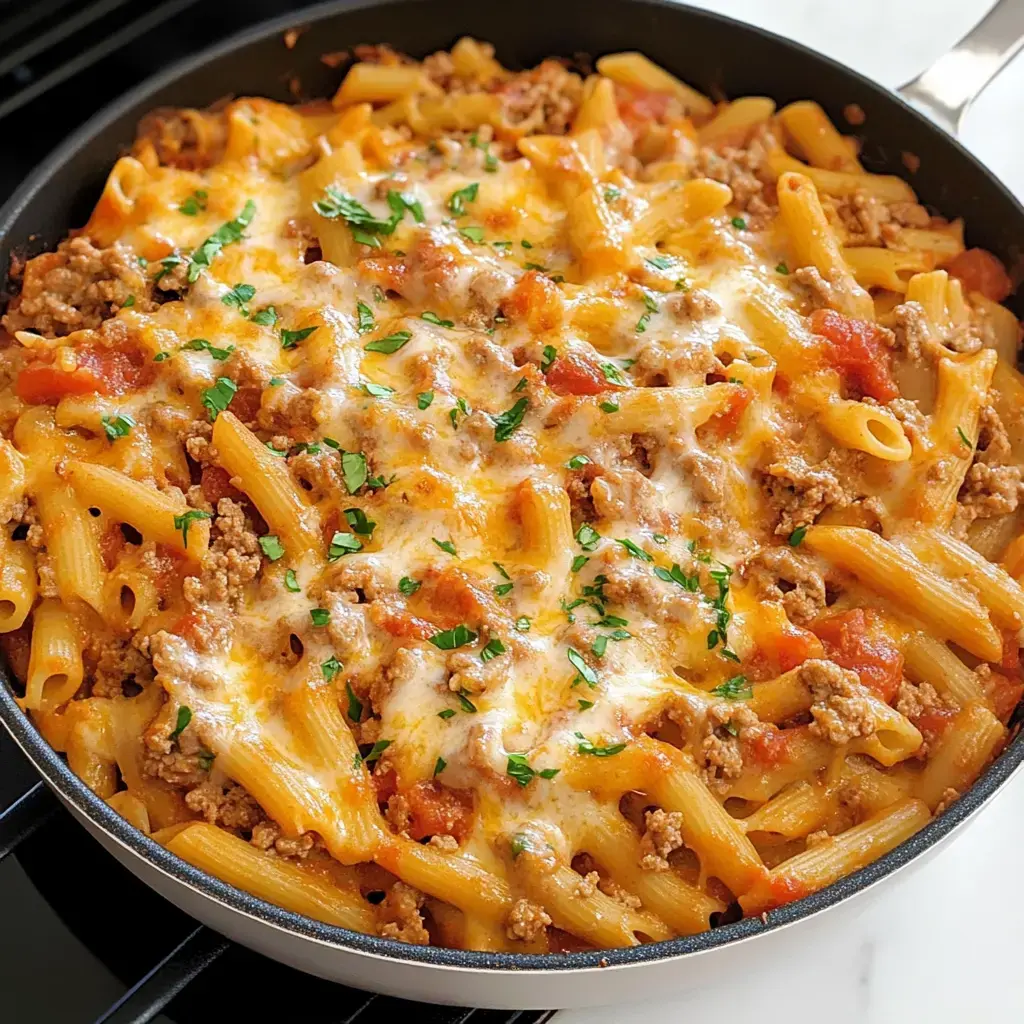
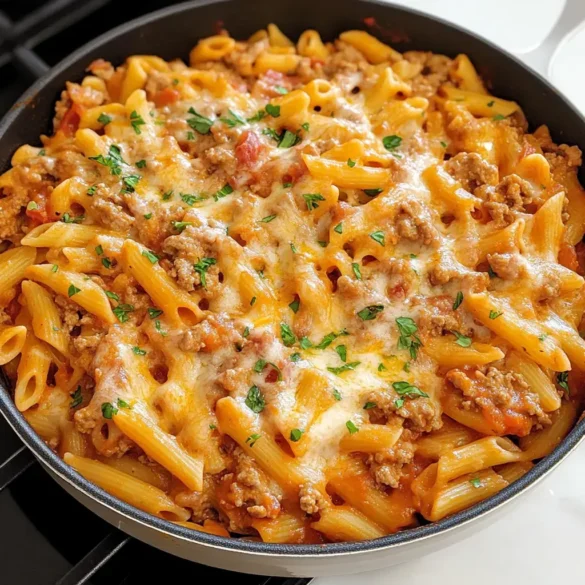
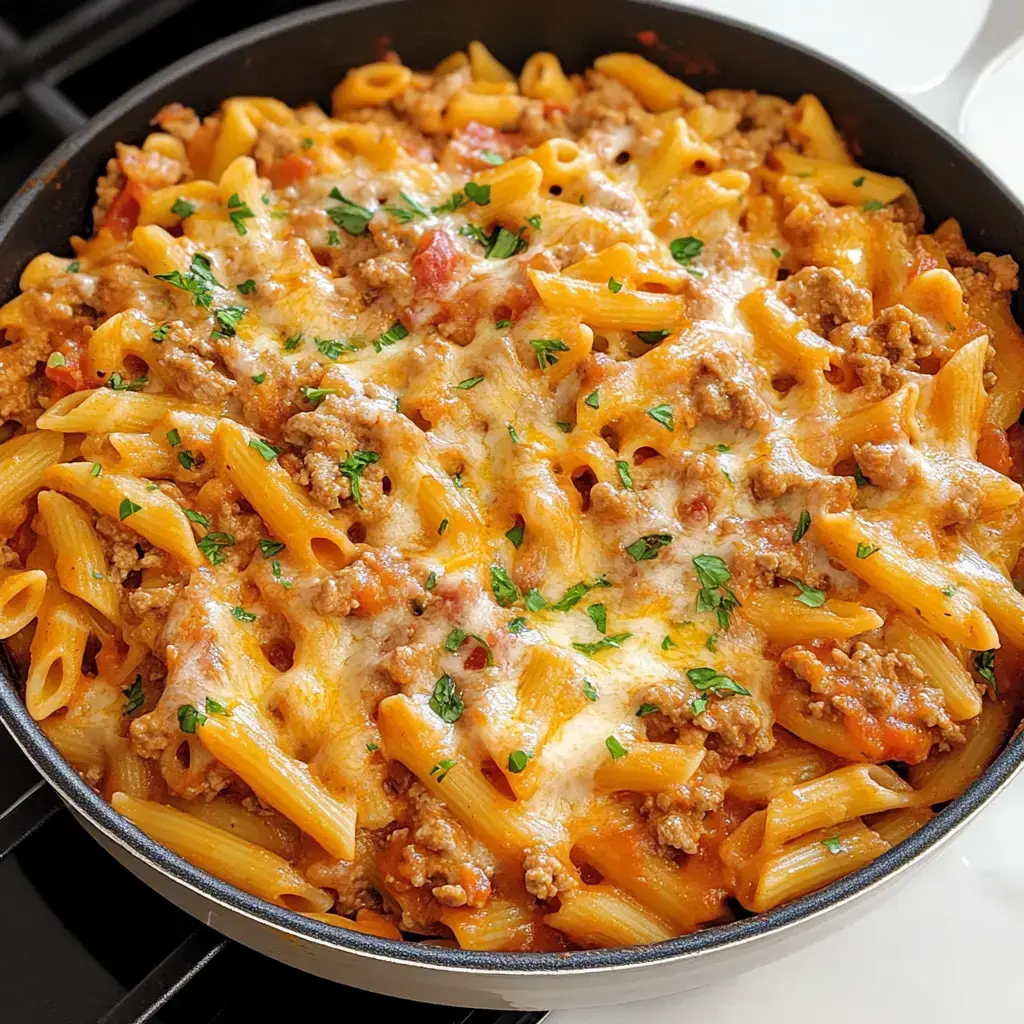
A skillet filled with baked penne pasta topped with melted cheese, ground meat, tomato sauce, and garnished with fresh parsley.
baked penne pasta topped with melted cheese, ground meat, tomato sauce, and garnished with fresh parsley

Let’s Cook Together

Start with the PastaGet your pasta cooking in well salted water. Save a cup of the cooking water before draining it really helps with the sauce.Cook the TurkeyWhile the pasta cooks, soften your onions in olive oil then add the turkey. Break it up as it browns to get nice even pieces.Make it SaucyOnce your turkey is cooked, add garlic and seasonings. Sprinkle in the flour, then pour in your broth and tomato sauce. Let it bubble away.Bring it All TogetherMix in your cooked pasta and half and half. Add cheese in two stages some for mixing and some on top. Let it get all melty and delicious.

Make it Your Own

Some nights I use gluten free pasta or swap in ground chicken. My kids love when I add their favorite veggies like peas or broccoli. I usually serve it with a simple salad on the side but honestly it’s perfectly satisfying on its own.

Frequently Asked Questions

→ Can I use different types of pasta?

Yes, any pasta shape works well. Penne, rotini, or fusilli are great choices as they hold the sauce well in their ridges.→ How do I store leftovers?

Store in an airtight container in the fridge for up to 3 days. Reheat gently on stovetop or microwave, adding a splash of milk if needed.→ Can I make this healthier?

Use whole wheat pasta, low-fat dairy, and add extra vegetables like spinach or zucchini. The taste stays great while adding more nutrients.→ Can I freeze this dish?

Yes, it freezes well for up to 3 months. Thaw overnight in the fridge and reheat slowly, stirring often to keep the creamy texture.→ What can I serve with this pasta?

A simple green salad or roasted vegetables make perfect sides. Garlic bread is great for soaking up the extra sauce.

Easy Creamy Ground Turkey Pasta Recipe

Serves: 6 Prep Time: 10 minutes Cooking Time: 30 minutes 30 minutes
Nutrition facts: 400 calories 20 grams fat
Rating: 5.0/5
( 1 voted )
Pin
Print

Ingredients

 12 ounces penne pasta.
 2 tablespoons olive oil.
 1 large yellow onion, diced.
 1 pound ground turkey.
 2 teaspoons salt, divided.
 ½ teaspoon black pepper.
 1 teaspoon Italian seasoning.
 5 cloves garlic, minced.
 2 tablespoons all-purpose flour.
 2 cups low-sodium chicken broth.
 1 (15-ounce) can tomato sauce.
 1 cup half and half.
 1 cup mozzarella cheese, shredded.
 1 cup cheddar cheese, shredded.
 Fresh parsley for garnish.
 Red chili flakes for garnish (optional).

Instructions

Boil pasta in salted water until just under done.

Save 1 cup pasta water before draining.

Heat oil in large pan over medium heat.

Cook onions until soft (5 minutes).

Add turkey, cook until browned.

Season with salt, pepper, Italian seasoning.

Add garlic, cook 1 minute.

Sprinkle flour over meat, stir well.

Pour in broth and tomato sauce, simmer.

Add cooked pasta and half-and-half.

Mix in half the cheeses.

Top with remaining cheese.

Cover until cheese melts.

Garnish with parsley and chili flakes.

Notes

  1. Can use ground beef instead.
  2. Use heavy cream for richer sauce.
  3. Can add vegetables.
  4. Great for meal prep.
  5. Easy to customize.


Tools You'll Need

  • Large pot.
  • Large pan or Dutch oven.
  • Colander.

Allergy Information

Please check ingredients for potential allergens and consult a health professional if in doubt.

Nutrition Facts (Per Serving)

It is important to consider this information as approximate and not to use it as definitive health advice.
  • Calories: ~
  • Total Fat: ~
  • Total Carbohydrate: ~
  • Protein: ~

0 comments
0 FacebookTwitterPinterestPocketEmail
30 Minute MealsSoups & Salads

Cucumber Ranch Crack Salad

by myphillyconnection February 26, 2026
written by myphillyconnection

Slice cucumbers, mix with ranch dressing, cheddar cheese, bacon, and green onions. Add seasonings, toss well, chill briefly, and serve cold.

This cucumber ranch crack salad earned its name because I literally couldn’t stop eating it once I started, and apparently neither could anyone else who tried it. It started as my desperate attempt to use up a massive bag of cucumbers from my neighbor’s garden that was threatening to turn into expensive compost if I didn’t do something with them fast. I threw together what I thought would be a basic cucumber salad, but the combination of cool, crisp cucumbers with creamy ranch, sharp cheddar, and smoky bacon created this addictive side dish that had my family coming back to the fridge every ten minutes for “just one more bite.” Now I can’t make it without people asking for the recipe, and I’ve learned to always double the batch because it disappears faster than anything else I put on the table.

Why People Get Obsessed

  • Addictive flavor combination – The cool crunch of cucumbers with creamy ranch and salty bacon hits every craving at once
  • Takes five minutes to make – No cooking required, just chop, mix, and eat, which is perfect for hot summer days
  • Uses simple pantry ingredients – Everything you need is probably already in your kitchen or easy to grab at any store
  • Perfect for crowds – Doubles or triples easily and actually gets better as it sits and the flavors meld together
  • Healthy but doesn’t taste like it – You’re basically eating a vegetable salad, but it tastes like indulgent comfort food

My sister brought this to a family barbecue last summer after I’d made it for her once, and my uncle literally stood next to the bowl eating it with a spoon while talking to people. By the end of the night, three different cousins had asked her for the recipe, and my aunt wanted to know why she’d never made anything that good before. Sometimes the simplest combinations create the biggest impact, especially when you’re not trying to impress anyone.

Ingredients

  • Fresh cucumbers: Use the regular slicing kind, not the tiny pickling ones, and slice them thick enough to hold their crunch but thin enough to coat with dressing
  • Good ranch dressing: This is not the time to skimp on quality – use the good stuff from the refrigerated section or make your own if you’re feeling ambitious
  • Sharp cheddar cheese: Mild cheddar gets lost in all the other flavors, so go for something with real bite that can stand up to the ranch and bacon
  • Real bacon pieces: Cook your own and crumble it, or use the pre-cooked bacon bits from a bag, but avoid the fake bacon-flavored bits that taste like cardboard
  • Fresh green onions: These add a subtle onion flavor and bright color that makes the whole salad look more appetizing
Cucumber Ranch Crack Salad

Step-by-Step Instructions

Prep your cucumbers right

Wash and slice your cucumbers into rounds that are about a quarter-inch thick – thick enough to have some substance when you bite them, but thin enough that they’ll absorb the dressing flavors. You don’t need to peel them unless you want to, but I like leaving the skin on for extra color and nutrients. If your cucumbers are really large and seedy, you might want to scoop out some of the seeds so they don’t make the salad watery.

Get everything ready

Chop your green onions into small pieces, including some of the green parts for color. If you’re cooking bacon fresh, let it cool completely before crumbling it into bite-sized pieces. Shred your cheddar cheese if you bought it in a block, or just measure out the pre-shredded stuff if that’s what you have on hand.

Combine the base ingredients

Dump the sliced cucumbers, shredded cheese, crumbled bacon, and chopped green onions into your largest mixing bowl. Give everything a gentle toss with your hands or a big spoon just to distribute the ingredients evenly before you add the wet stuff.

Add the flavor magic

Pour the ranch dressing over everything, then sprinkle in the garlic powder, dried dill, salt, and pepper. Start with less seasoning than you think you need because you can always add more, but you can’t take it back once it’s mixed in. The ranch dressing will carry all these flavors throughout the salad.

Mix until everything’s coated

Use a large spoon or your clean hands to gently toss everything together until every piece of cucumber is coated with the creamy dressing and all the bacon and cheese is distributed evenly. Be gentle so you don’t break up the cucumbers, but make sure everything gets well combined.

Let it chill and meld

If you have time, stick the bowl in the refrigerator for 10-15 minutes before serving. This gives the flavors time to meld together and the cucumbers time to absorb some of that ranch goodness. It’s good right away, but it’s even better after it’s had a chance to sit for a bit.

Making cucumber ranch crack salad has become my go-to contribution for potlucks and family gatherings because it’s practically foolproof and people always react like I’ve done something amazing when really I just threw some ingredients in a bowl. The first time I made it, I was worried it would be too simple or bland, but sometimes the most basic combinations create the most craveable results.

What I love about this recipe is how forgiving it is with measurements and substitutions. You can add more or less of any ingredient based on your preferences, throw in some cherry tomatoes for color, or use different types of cheese if that’s what you have on hand. The base concept of cucumbers with creamy dressing and crunchy add-ins works with so many variations.

The texture contrast is what makes this salad so addictive. You get the cool crunch of fresh cucumbers, the creamy richness of ranch dressing, the sharp bite of cheddar cheese, and the smoky saltiness of bacon all in one bite. It’s like eating all your favorite flavors at once, which explains why people can’t stop going back for more.

One thing I learned is that this salad is actually better when it’s been sitting for a while. The cucumbers release a little bit of their water, which mixes with the ranch to create this perfectly seasoned dressing that coats everything beautifully. Don’t worry if it looks a little liquidy after sitting – that’s exactly what you want.

The dill is optional but really recommended because it adds this fresh, bright flavor that complements the cucumbers perfectly. If you have fresh dill, that’s even better, but dried works fine and is what most people have in their spice cabinet anyway.

Serving This Crowd-Pleaser

Serve your cucumber ranch crack salad chilled in a large bowl with a serving spoon, and maybe put out some extra napkins because people will want to eat it with their hands. This pairs perfectly with grilled meats, fried chicken, or anything barbecued because the cool, creamy texture balances out hot, smoky flavors beautifully. It’s also great alongside other picnic favorites like potato salad and coleslaw. For parties, I like to garnish the top with a few extra bacon crumbles and green onion pieces to make it look more intentional.

Creative Twists

This cucumber ranch crack salad is incredibly versatile and works with so many different additions and substitutions. Try adding cherry tomatoes, corn kernels, or diced bell peppers for extra color and nutrition. You can switch up the cheese to pepper jack for heat or use crumbled blue cheese for a more sophisticated flavor. Sometimes I’ll add sunflower seeds or chopped pecans for extra crunch, or throw in some fresh herbs like chives or parsley. For a lighter version, use Greek yogurt ranch or make your own with Greek yogurt and ranch seasoning mix.

Storage Tips

Cucumber ranch crack salad keeps well in the refrigerator for up to three days, though it’s definitely best within the first day or two when the cucumbers are still at their crispest. Store it in a covered container and give it a good stir before serving since the ingredients tend to settle. The cucumbers will release more water as it sits, which actually makes the dressing more flavorful, but if it gets too watery, you can drain off some of the excess liquid before serving. Don’t freeze this salad because cucumbers don’t handle freezing well and will turn mushy when thawed.

Cucumber Ranch Crack Salad

Simple Success Tips

  • Don’t overdress it initially – You can always add more ranch, but you can’t take it back once it’s mixed in
  • Let it sit before serving – Even ten minutes makes a difference in how the flavors come together
  • Keep it cold – This salad is all about that refreshing, crisp texture that gets lost if it sits at room temperature too long

This cucumber ranch crack salad has become my secret weapon for summer entertaining because it’s one of those recipes that makes people think you’re a better cook than you actually are when really you just know how to combine flavors that work perfectly together. It’s proof that sometimes the best dishes are the simplest ones, and that you don’t need complicated techniques or exotic ingredients to create something that people will remember and ask for again and again.

Frequently Asked Questions

→ Why is it called crack salad?It gets this nickname because it’s so addictive – once you start eating it, you can’t stop! The combination of flavors is irresistible.

→ How long does this salad keep?Best eaten fresh, but it will keep in the fridge for up to 2 days. The cucumbers may release some water over time.

→ Can I make this ahead of time?You can prep the ingredients ahead, but mix everything together just before serving for the best texture and flavor.

→ What type of cucumbers work best?Regular cucumbers work great, but English cucumbers are even better since they have fewer seeds and stay crunchier longer.

→ Can I substitute the ranch dressing?Sure! Try it with Caesar dressing, blue cheese dressing, or even a simple vinaigrette for a lighter version.

Cucumber Ranch Crack Salad

Serves: 4 Prep Time: 10 minutes
Nutrition facts: 200 calories 20 grams fat
Rating: 5.0/5
( 1 voted )
Pin
Print

Ingredients

→ Main Ingredients

 2-3 cups fresh cucumbers, sliced thin
 ½ cup creamy ranch dressing
 ½ cup sharp cheddar cheese, shredded
 ⅓ cup crispy bacon, crumbled
 2 tbsp fresh green onions, chopped

→ Seasonings

 ½ tsp garlic powder
 ½ tsp dried dill weed
 Salt and fresh black pepper to taste

Instructions

Wash and slice the cucumbers into thin rounds - about ¼ inch thick works perfectly. Chop the green onions into small pieces. If your bacon isn't already cooked, fry it up until crispy and crumble into bite-sized pieces.

In a large mixing bowl, toss together the sliced cucumbers, shredded cheddar cheese, crumbled bacon, and chopped green onions. Give everything a gentle mix so it's evenly distributed.

Pour the ranch dressing over the cucumber mixture. Sprinkle in the garlic powder, dried dill, and a pinch of salt and pepper. Don't go too heavy on the salt since the bacon and cheese already add plenty of flavor.

Gently toss everything until the cucumbers are nicely coated with the ranch dressing and all the flavors are mixed throughout. Make sure every piece gets some of that creamy goodness.

For the best flavor, pop it in the fridge for 10-15 minutes to let everything meld together. Serve chilled and garnish with extra bacon bits or green onions if you're feeling fancy.

Notes

  1. This addictive salad is called 'crack salad' because once you start eating it, you can't stop!
  2. Best enjoyed fresh, but will keep in the fridge for up to 2 days - though the cucumbers may release some water.
  3. Perfect for potlucks, barbecues, or as a refreshing side dish on hot summer days.
  4. No cooking required - just chop, mix, and enjoy this cool and crunchy treat.


Tools You'll Need

  • Large mixing bowl
  • Sharp knife
  • Cutting board

Allergy Information

Please check ingredients for potential allergens and consult a health professional if in doubt.

Nutrition Facts (Per Serving)

It is important to consider this information as approximate and not to use it as definitive health advice.
  • Calories: ~
  • Total Fat: ~
  • Total Carbohydrate: ~
  • Protein: ~
0 comments
0 FacebookTwitterPinterestPocketEmail
PastaSoups & Salads

Dill Pickle Pasta Salad

by myphillyconnection February 25, 2026
written by myphillyconnection

This dill pickle pasta salad combines pasta with diced pickles, bacon, and cheese in a tangy ranch dressing for a unique and flavorful side dish.

This dill pickle pasta salad came about when I was trying to figure out what to bring to my sister’s backyard barbecue that would actually get eaten instead of sitting there untouched like my usual potluck contributions. I’d been obsessing over pickle flavors lately and figured why not try putting them in pasta salad since everyone always makes the same boring versions with Italian dressing. The idea seemed either genius or completely ridiculous, but I was tired of bringing food that nobody cared about. After some experimenting with pickle juice ratios and getting the dressing consistency right, we created this incredible side dish that had people asking for the recipe before they even finished their first bite.

Why This Is Brilliant

  • Pickle lovers go crazy for it – If you’re obsessed with pickles, this hits every craving you’ve ever had
  • Different from boring pasta salads – Finally something unique at potlucks instead of the same old mayo-heavy versions
  • Gets better overnight – Perfect make-ahead dish that actually improves while sitting in the fridge
  • Conversation starter – People either love it or think you’re insane, but everyone remembers it

My neighbor Kim made this for her husband’s work barbecue and said it caused such a sensation that three different coworkers followed her to her car to make sure they got the recipe right. Apparently one guy said it was the weirdest thing he’d ever tried but couldn’t stop eating it. Now she’s become the office’s unofficial “creative food person” based entirely on this one recipe.

Getting Your Ingredients Right

  • Rotini pasta holds everything: The spirals grab onto all the dressing and pickle pieces perfectly
  • Block cheddar you dice yourself: Pre-shredded cheese doesn’t have the right texture for this
  • Good dill pickles matter: Don’t use bread and butter pickles or sweet ones, you need the tang
  • Ranch packet not bottled: The dry seasoning gives more concentrated flavor without extra liquid
  • Real mayonnaise: Light mayo doesn’t create the right creamy texture you want
  • Quality pickle juice: Save the juice from good pickles, not cheap ones that taste weird
Dill Pickle Pasta Salad

Making It Step by Step

Getting the pasta ready: Cook rotini pasta according to package directions until it’s al dente, then drain and immediately run cold water over it until it cools to room temperature. This stops the cooking and prevents mushy pasta salad.

Making the dressing: In a small mixing bowl, whisk together mayonnaise, sour cream, pickle juice, and the ranch dressing seasoning packet until smooth and well combined. The pickle juice is what makes this special, so don’t skimp on it.

Prepping the mix-ins: Dice the block of cheddar cheese into small cubes and chop the dill pickles into bite-sized pieces. The key is keeping everything roughly the same size so you get a little of everything in each bite.

Combining everything: Add the cooled pasta to a large mixing bowl, then add the diced pickles, diced cheese, chopped bacon, and the ranch dressing mixture. Toss everything together until well combined.

Final seasoning: Sprinkle dill weed over everything and give it one more good toss to distribute the herb throughout. Taste and adjust if you think it needs more pickle juice or seasoning.

Chilling time: Cover and refrigerate for four to six hours before serving. This chilling time is crucial because it lets all the flavors meld together and the pasta absorb some of the dressing.

Making Sure It Works

  • Cool the pasta completely – Hot pasta melts the cheese and makes everything gross
  • Don’t oversauce initially – The pasta will absorb some dressing, so start with less than you think
  • Chill long enough – Four hours minimum or the flavors don’t develop properly

I messed up my first batch because I was impatient and didn’t let the pasta cool completely, which melted all the cheese into this weird, stringy mess. I also served it right away instead of letting it chill, so all the flavors were separate instead of blended together nicely.

Perfect Serving Ideas

This pasta salad is perfect for barbecues, potlucks, or any time you want a side dish that actually gets people talking. It pairs great with grilled burgers, hot dogs, or any summer cookout food. Cold beer complements the tangy, salty flavors perfectly.

Making It Different

You can add other pickled vegetables like pickled onions or jalapeños for extra flavor. Sometimes I throw in some hard-boiled eggs for protein. Different cheeses work too – sharp cheddar or even pepper jack create different flavor profiles.

Storage and Leftovers

This keeps beautifully in the fridge for up to five days and actually gets better as it sits because the flavors continue developing. You might need to add a little more mayo or pickle juice after a few days if it seems dry.

Dill Pickle Pasta Salad

Tips That Actually Help

  • Save good pickle juice – Don’t pour it down the drain, it’s liquid gold for recipes like this
  • Make it the day before – Overnight chilling creates the best flavor development
  • Bring extra to parties – This always goes faster than you expect once people try it

This dill pickle pasta salad has become my signature potluck dish because it’s guaranteed to be different from everything else there while still tasting amazing. It appeals to anyone who loves pickles but surprises people who think they don’t like “weird” food. My family requests this specifically now for summer gatherings because they love watching people’s reactions when they try it for the first time.

Frequently Asked Questions

→ Do I really need the pickle juice? Yes! The pickle juice is what makes this salad special. It adds that perfect tangy flavor that makes pickle lovers go crazy for this dish.

→ Can I use a different type of pasta? Rotini works best because the spirals hold the dressing well, but penne, shells, or bowtie pasta would also work great.

→ How long does this keep in the fridge? It keeps for 3-4 days covered in the refrigerator. The flavors actually get better over time, so it’s perfect for meal prep!

→ Can I make this without bacon? Sure! You could leave it out for a vegetarian version, or substitute with crispy fried onions or sunflower seeds for crunch.

→ What if the salad seems dry after chilling? Just add a little more mayonnaise or pickle juice and stir. The pasta absorbs some dressing as it sits, so this is normal.

→ Can I use fresh dill instead of dried? Absolutely! Use about 1 tablespoon of fresh chopped dill instead of the dried dill weed for even more fresh flavor.

Dill Pickle Pasta Salad

Serves: 5 Prep Time: 20 minutes Cooking Time: 240 minutes 240 minutes
Nutrition facts: 200 calories 20 grams fat
Rating: 5.0/5
( 1 voted )
Pin
Print

Ingredients

12 ounces rotini pasta
 8-ounce block medium cheddar cheese, diced
 2 cups dill pickles, diced
 1 packet ranch dressing seasoning mix
 1 cup mayonnaise
 ½ cup sour cream
 1 cup pickle juice
 ½ cup cooked bacon, chopped
 1 teaspoon dried dill weed

Instructions

Cook rotini pasta according to package directions until al dente. Drain and immediately rinse under cold water, stirring occasionally, until the pasta has cooled completely to room temperature. This prevents the pasta from getting mushy.

Add the cooled pasta to a large mixing bowl and set aside while you prepare the dressing.

In a medium bowl, whisk together mayonnaise, sour cream, pickle juice, and ranch dressing seasoning until smooth and well combined. The pickle juice adds that signature tangy flavor!

Add the diced pickles, diced cheddar cheese, and chopped bacon to the bowl with the pasta. Pour the ranch dressing mixture over everything.

Sprinkle the dried dill weed over the salad, then gently toss everything together until the pasta and ingredients are evenly coated with the creamy dressing.

Cover the bowl and refrigerate for 4-6 hours before serving. This chilling time allows all the flavors to meld together and makes the salad taste even better.

Give the salad a quick stir before serving, as the dressing may settle. Serve chilled as a side dish or light meal.

Notes

  1. Cool the pasta completely to prevent the dressing from getting thin
  2. The pickle juice is key - it adds the perfect tangy flavor
  3. Cook bacon until crispy for the best texture contrast
  4. This tastes even better the next day after the flavors have time to blend
  5. Cut the cheese and pickles into similar-sized pieces for the best bites


Tools You'll Need

  • Large pot for cooking pasta
  • Large mixing bowl
  • Medium mixing bowl
  • Whisk
  • Colander for draining

Allergy Information

Please check ingredients for potential allergens and consult a health professional if in doubt.

Nutrition Facts (Per Serving)

It is important to consider this information as approximate and not to use it as definitive health advice.
  • Calories: ~
  • Total Fat: ~
  • Total Carbohydrate: ~
  • Protein: ~
0 comments
0 FacebookTwitterPinterestPocketEmail
Fish Meals

Grilled Salmon Mango Salsa

by myphillyconnection February 24, 2026
written by myphillyconnection

Marinate salmon in lime and garlic. Grill until just cooked through. Make coconut rice with coconut milk and water. Prepare mango-avocado salsa with bell pepper, onion, and cilantro. Serve salmon over rice, topped with fresh salsa.

Summer grilling season is my favorite excuse to break out this recipe. I stumbled onto this combo years ago after bringing home fresh salmon and realizing I had no idea what to do with it. After digging through the fridge and finding a ripe mango on the verge of going bad, this dish was born. Now it’s the thing friends request when they come over between May and September.

Why You’ll Love This Recipe

  • Looks fancy but honestly isn’t that hard perfect for impressing dinner guests
  • Hits that sweet spot between “healthy dinner” and “food you actually want to eat”
  • Makes your backyard dinner feel like you’re at some oceanfront restaurant
  • Uses the grill so you don’t heat up your kitchen during hot months

My neighbor Dave, who swears he “doesn’t like fish,” tried this last summer and went back for seconds. His wife shot me a look of pure shock – she’d been trying to get him to eat salmon for years. Sometimes it’s all in the presentation.

Ingredients

  • Fresh Salmon: Spring for the good stuff here – wild caught if you can swing it, but most importantly, fresh
  • Real Limes: The bottled juice just isn’t the same – you need both the juice AND the zest
  • Perfectly Ripe Mango: Should give slightly when pressed but not be mushy
  • Full Fat Coconut Milk: The light stuff just makes sad, watery rice
  • Red Onion (Rinsed): That quick rinse under cold water keeps the onion from taking over the salsa

I learned the hard way about that coconut milk shortcut. Made this for a “healthy” dinner party using light coconut milk and ended up with rice that tasted like disappointment. Some ingredients just shouldn’t be messed with.

Grilled Salmon Mango Salsa

Step-by-Step Instructions

The Marinade Magic

Don’t overthink the marinade – it’s basically just lime, garlic, and olive oil. But that simple combo works wonders on salmon. I usually prep this first and then start the rice while the fish hangs out in the fridge. The lime actually firms up the fish slightly which helps it hold together on the grill.

Rice That Actually Tastes Like Something

Rinsing rice isn’t just food blogger nonsense – it really does make fluffier rice. The combo of coconut water and coconut milk creates rice that’s rich but not heavy. My kids call it “vacation rice” because it tastes like something you’d get at a resort.

Salsa Assembly Order

Mix everything EXCEPT the avocado first, then gently fold that in at the end. First time I made this, I threw everything in at once and ended up with avocado mush instead of nice chunks. Also, that quick rinse of the red onion makes a huge difference – keeps the raw onion bite from overwhelming everything else.

Grill Without Fear

Salmon on the grill intimidated me for years until I figured out three tricks: 1 make sure the grill is properly hot before the fish touches it, 2 oil those grates generously, and 3 don’t try to flip it too soon – it’ll release naturally when it’s ready. That last one changed my grilling life.

Putting It All Together

Layer in this order: rice on the bottom, salmon in the middle, salsa generously spooned over the top. The warm salmon slightly wilts the salsa ingredients right at the contact point, releasing all those aromatic oils. It’s one of those “greater than the sum of its parts” situations.

Things I Wish Someone Had Told Me

  • The rice needs that full 5 minute rest off heat – lifting the lid early ruins the texture
  • Salmon keeps cooking after you take it off the grill, so pull it when it still looks slightly underdone
  • Make more salsa than you think you need – people always want extra

First time I made this, I completely destroyed the salmon trying to flip it. Turned out I was just impatient – salmon releases from the grill when it’s ready, not when you decide it’s time. Some cooking lessons you only need to learn once.

Make It Your Own

Not a cilantro fan? Swap in mint or basil instead. Pineapple works great in place of mango in a pinch. If you’re not a grill person or it’s pouring rain, salmon bakes beautifully in a 400°F oven for about 12 minutes. For an extra flavor boost, I sometimes add a pinch of smoked paprika to the salmon marinade – gives it a hint of smokiness even if you’re cooking indoors.

Leftovers Situation

Cold leftover salmon makes an amazing next day lunch on top of greens with extra salsa as dressing. The rice reheats pretty well with a splash of water to bring back moisture. That said, I rarely have leftovers because everyone usually goes back for seconds.

Grilled Salmon Mango Salsa

Kitchen Wisdom

  • Temperature Matters: Let salmon sit out for 15 minutes before grilling – ice cold fish cooks unevenly
  • Salsa Shortcut: No time to chop? A few pulses in the food processor works, just don’t overdo it
  • Flavor Booster: A tiny pinch of sea salt right before serving makes all the flavors pop

I’ve probably made this twenty different times over the years, tweaking something small each time. What started as a desperate “use what’s in the fridge” meal has turned into the dish friends specifically request when they come over during summer. There’s something satisfying about transforming a few simple ingredients into something that makes people stop talking and just enjoy their food.

Frequently Asked Questions

→ Can I cook the salmon in the oven instead of grilling? Absolutely! To bake the salmon instead of grilling, preheat your oven to 400°F (200°C). Place the marinated salmon fillets on a lined baking sheet and bake for 12-15 minutes, depending on the thickness of your fillets. The salmon is done when it flakes easily with a fork but is still moist in the center. You can also broil the salmon for the last 2 minutes to get a slightly charred finish similar to grilling.

→ What can I substitute for coconut water in this recipe? If you don’t have coconut water, you can substitute with regular water, which will give you a milder coconut flavor in the rice (from the coconut milk alone). For a different flavor profile, you could use chicken or vegetable broth instead of coconut water. In the salsa, simply omit the coconut water or replace it with a squeeze of extra lime juice to maintain the right consistency.

→ How can I tell when the salmon is perfectly cooked? Perfectly cooked salmon should be opaque on the outside but still slightly translucent in the very center – this keeps it moist and flavorful. The USDA recommends cooking salmon to an internal temperature of 145°F (63°C), but many chefs prefer 125-130°F (52-54°C) for medium doneness. A reliable test is to gently press the top of the fillet with a fork – if it flakes easily but still has a bit of translucency in the middle, it’s done.

→ Can I prepare any parts of this dish ahead of time? Yes, several components can be prepared ahead. The mango-avocado salsa can be made up to 4 hours ahead (add the avocado just before serving to prevent browning). The salmon can be marinated up to 2 hours in advance. The coconut rice can be made earlier in the day and gently reheated with a splash of water or coconut water. For meal prep, keep all components separate and assemble just before serving for the freshest flavor and texture.

→ What other proteins would work well with this salsa and rice? This tropical-inspired salsa and coconut rice would pair beautifully with many proteins. Try grilled shrimp or scallops for another seafood option. Grilled chicken breast or thighs marinated in the same lime mixture work excellently. For a vegetarian option, grilled tofu or tempeh would absorb the flavors nicely. Even a firm white fish like mahi-mahi or halibut would be delicious with these accompaniments.

Grilled Salmon Mango Salsa

Serves: 4 Prep Time: 30 minutes Cooking Time: 26 minutes 26 minutes
Nutrition facts: 200 calories 20 grams fat
Rating: 5.0/5
( 1 voted )
Pin
Print

Ingredients

→ For the Lime Salmon

 4 (6 oz) skinless salmon fillets
 3 tablespoons olive oil, plus more for greasing the grill
 2 teaspoons lime zest (from about 2 limes)
 3 tablespoons fresh lime juice
 3 cloves garlic, crushed
 Salt and freshly ground black pepper, to taste

→ For the Coconut Rice

 1½ cups coconut water
 1¼ cups canned coconut milk (not light)
 1½ cups jasmine rice, rinsed well and drained
 ½ teaspoon salt

→ For the Avocado-Mango Salsa

 1 large mango, peeled and diced
 ¾ cup chopped red bell pepper (about ½ large pepper)
 ¼ cup fresh cilantro, chopped
 ⅓ cup red onion, chopped, rinsed and drained
 1 large avocado, peeled and diced
 1 tablespoon fresh lime juice
 1 tablespoon olive oil
 1 tablespoon coconut water
 Salt and freshly ground black pepper, to taste

Instructions

In an 11x7-inch baking dish, whisk together 3 tablespoons olive oil, lime zest, lime juice, and crushed garlic until well combined. Season with salt and freshly ground black pepper to taste. Place the salmon fillets in the dish, turning to coat all sides in the marinade. Cover the dish with plastic wrap and refrigerate for 15 to 30 minutes. After this initial marinating time, flip the salmon fillets over and continue marinating for another 15 to 30 minutes to ensure even flavor absorption.

About 10 minutes before the salmon is done marinating, preheat your grill to medium-high heat (around 375-400°F). Clean the grill grates thoroughly, then brush them with olive oil to prevent the salmon from sticking. Alternatively, you can use a grill basket designed for fish, which makes turning the delicate fillets easier.

While the grill is heating, prepare the coconut rice. In a medium saucepan, combine the coconut water, coconut milk, rinsed jasmine rice, and salt. Bring the mixture to a full boil over medium-high heat. Once boiling, reduce the heat to low, cover the saucepan with a tight-fitting lid, and simmer gently for about 20 minutes, or until all the liquid has been absorbed and the rice is tender.

Once the grill is hot, remove the salmon from the marinade, letting excess drip off. Place the fillets on the oiled grill grates and cook for approximately 3 minutes on the first side, until grill marks appear and the salmon releases easily from the grate. Using a wide, flat spatula, carefully flip the fillets and cook for another 2-3 minutes on the second side, or until the salmon is just cooked through but still moist in the center. The exact cooking time will depend on the thickness of your fillets and your preferred doneness.

When the rice has absorbed all the liquid, remove it from the heat but keep it covered. Let it rest for 5 minutes to steam and finish cooking. After resting, uncover and fluff gently with a fork to separate the grains. Cover again to keep warm until ready to serve.

While the salmon is grilling and the rice is resting, prepare the salsa. In a medium mixing bowl, combine the diced mango, chopped red bell pepper, cilantro, and red onion. Add the diced avocado, being careful not to mash it. Drizzle with lime juice, olive oil, and coconut water, then gently toss all ingredients to coat evenly. Season with salt and black pepper to taste, starting with a small amount and adjusting as needed.

To serve, spoon a portion of the coconut rice onto each plate. Place a grilled salmon fillet on or alongside the rice, then generously top the salmon with the fresh mango-avocado salsa. Serve immediately while the salmon and rice are still warm, with the cool, vibrant salsa creating a delicious temperature and texture contrast.

Notes

  1. This dish combines the omega-rich benefits of salmon with fresh tropical flavors for a healthy, colorful meal that's impressive enough for entertaining yet simple enough for a weeknight dinner.
  2. Rinsing the diced red onion under cold water helps remove some of the harsh bite while maintaining its crisp texture and flavor in the salsa.
  3. For the best flavor and texture in the salsa, use a mango that is ripe but still firm, and an avocado that yields slightly to gentle pressure but isn't overly soft.
  4. The coconut rice can be made with regular white rice instead of jasmine if preferred, though jasmine rice adds a complementary floral aroma to the dish.


Tools You'll Need

  • Grill or grill pan
  • 11x7-inch baking dish for marinating
  • Medium saucepan with lid
  • Medium mixing bowl
  • Measuring cups and spoons
  • Whisk
  • Spatula (preferably wide and flat for handling fish)
  • Sharp knife and cutting board

Allergy Information

Please check ingredients for potential allergens and consult a health professional if in doubt.

Nutrition Facts (Per Serving)

It is important to consider this information as approximate and not to use it as definitive health advice.
  • Calories: ~
  • Total Fat: ~
  • Total Carbohydrate: ~
  • Protein: ~
0 comments
0 FacebookTwitterPinterestPocketEmail
30 Minute MealsSeafood Meals

Crab Rangoon Egg Rolls

by myphillyconnection February 24, 2026
written by myphillyconnection

Mix cream cheese, seasonings, green onions, and crab meat. Roll filling in egg roll wrappers. Fry until golden and crispy. Serve warm with your favorite dipping sauce.

Let me tell you about the time I accidentally created the perfect party appetizer. I was planning to make traditional crab rangoon for a gathering, but realized I was out of wonton wrappers. With guests arriving in an hour and egg roll wrappers being the only option in my pantry, these crab rangoon egg rolls were born. The result? An addictive crispy on the outside, creamy on the inside treat that disappeared faster than anything I’d ever served.

Why You’ll Love This Recipe

  • Combines two favorite appetizers into one irresistible package
  • Creates a larger, more substantial version of traditional crab rangoon
  • Takes just 25 minutes from start to finish
  • Makes an impressive looking appetizer with minimal effort

My neighbor Tom, who claims he “doesn’t like seafood,” ate four of these before asking what was in them. When I mentioned crab, he paused, shrugged, and grabbed another. Sometimes the best endorsements come from the least likely sources!

Simple Ingredients

  • Cream Cheese: The velvety base that makes these rolls irresistibly creamy—let it soften properly for easy mixing
  • Crab Meat: Brings that sweet, delicate seafood flavor—lump crab is worth the splurge but canned works in a pinch
  • Worcestershire Sauce: Adds umami depth that complements the crab perfectly—start with less and add to taste
  • Green Onions: Provide fresh, mild onion flavor and pretty color contrast—chop them finely for best distribution
  • Egg Roll Wrappers: The unsung heroes that create that perfect crispy shell—they’re much more substantial than wonton wrappers

I’ve found that real crab meat makes a noticeable difference in the final flavor, but I’ve made these with imitation crab in a pinch and they still disappeared just as quickly. Sometimes practicality wins over perfection.

Crab Rangoon Egg Rolls

Step-by-Step Instructions

Smooth Filling

Using a food processor creates that perfectly smooth cream cheese base without overworking the crab meat. Pulsing rather than continuous processing preserves some texture in the green onions. The manual stirring of crab at the end prevents it from becoming paste like, maintaining those desirable chunks of seafood throughout.

Strategic Rolling

Positioning the wrapper with a corner facing you creates the longest rolling surface, which means more wrapper layers for structural integrity. That horizontal mound of filling gives you the perfect starting point for a tight roll. Using just the right amount—about three tablespoons—prevents bursting during frying while ensuring generous filling in every bite.

Tight Sealing

That dab of water on the final corner creates a proper seal that prevents the rolls from opening during frying. If you find the wrappers drying out as you work, keep a small bowl of water nearby and dampen the edges as needed. Working relatively quickly also helps prevent the wrappers from becoming brittle.

Oil Temperature

Maintaining that 375°F oil temperature is crucial for proper cooking. Too hot and the outside burns before the inside warms; too cool and the rolls absorb oil, becoming greasy. That’s why frying in small batches is non negotiable—adding too many at once drops the oil temperature dramatically. An instant read thermometer takes the guesswork out of this step.

Quick Frying

The 1 2 minute frying time might seem brief, but these cook quickly due to the pre cooked filling. You’re really just crisping the wrapper and warming the inside. That golden brown color is your visual cue for doneness, rather than strict timing. Proper draining on paper towels absorbs excess oil for the perfect crisp exterior.

You Must Know

  • Don’t overstuff or they’ll burst during frying
  • Let the oil return to temperature between batches for consistent results
  • These are best served immediately while the contrast between crispy exterior and creamy interior is at its peak

My first attempt wasn’t perfect—I overfilled them and several split open in the oil, creating a messy though still delicious situation. I’ve since learned that restraint with filling leads to better structural integrity. Some cooking lessons are learned the hard way!

Serving Suggestions

These egg rolls shine brightest when served with complementary dipping sauces. Sweet and sour sauce provides traditional contrast to the creamy filling, while sweet chili sauce adds a spicy sweet element that works beautifully. For a twist, try a sriracha honey mixture or even a soy ginger dipping sauce. Arrange on a platter with fresh cilantro or additional chopped green onions for a pop of color that elevates the presentation.

Creative Variations

Transform this basic recipe with simple swaps that create entirely new flavor experiences. Add a tablespoon of chopped fresh jalapeño to the filling for a spicy kick. Incorporate a quarter cup of finely diced water chestnuts for surprising crunch throughout. Lobster meat can replace crab for an even more luxurious version perfect for special occasions. For a fusion twist, add a teaspoon of curry powder to the cream cheese mixture and serve with mango chutney.

Prep Ahead Possibilities

These egg rolls are perfect for entertaining because you can prepare them in advance. Make the filling and roll the egg rolls up to 24 hours ahead, storing them in the refrigerator on a parchment lined tray with plastic wrap. Keep them separated to prevent sticking. Fry just before serving for that perfect crispy exterior. Alternatively, you can freeze the uncooked rolls for up to a month—just add an extra minute to the frying time when cooking from frozen.

Crab Rangoon Egg Rolls

Egg Roll Wisdom

  • Temperature Tip: If you don’t have a thermometer, test the oil by dipping the edge of an egg roll wrapper in—it should bubble immediately but not brown instantly
  • Texture Secret: For extra crispy results, double fry by giving them a quick second dip in the oil after they’ve rested for a minute
  • Filling Boost: A squeeze of fresh lemon juice in the filling brightens all the flavors without being detectably “lemony”

I’ve been refining this recipe for about three years now, gradually perfecting the spice balance and rolling technique. What started as a kitchen emergency has become one of my signature appetizers that friends and family specifically request. There’s something deeply satisfying about creating a dish that combines the best elements of two favorites while being uniquely its own thing. Sometimes the most memorable recipes come from those moments when we’re forced to improvise!

Frequently Asked Questions

→ Can I bake these egg rolls instead of frying them? Yes, you can bake these for a lighter version! Preheat your oven to 425°F, place the prepared egg rolls on a baking sheet lined with parchment paper, and lightly brush or spray them with oil. Bake for 15-20 minutes, turning halfway through, until golden brown and crispy. They won’t be quite as crispy as the fried version, but they’ll still be delicious with much less oil.

→ What type of crab meat works best for this recipe? Fresh lump crabmeat provides the best flavor and texture, but it can be expensive. Canned lump crabmeat is a good alternative. Avoid imitation crab (surimi) if possible, as it has a different texture and sweetness that doesn’t quite match the authentic crab rangoon flavor. If you do use imitation crab, chop it finely and add a pinch of sugar to better mimic the traditional flavor profile.

→ What dipping sauces pair well with these egg rolls? These versatile egg rolls pair beautifully with several sauces. Sweet and sour sauce is a classic choice that complements the creamy filling. Duck sauce, sweet chili sauce, or a simple soy-ginger dipping sauce also work well. For something different, try a spicy mayo made with sriracha and mayonnaise, or even a honey-mustard sauce for a fusion twist.

→ Can I make these egg rolls ahead of time? Yes! You can prepare the filling and assemble the egg rolls up to 24 hours in advance. Store the uncooked egg rolls in a single layer on a baking sheet covered with plastic wrap in the refrigerator. Separate layers with parchment paper if stacking. Alternatively, you can freeze the uncooked egg rolls for up to 3 months. Cook them directly from frozen, adding an extra 1-2 minutes to the frying time.

→ I don’t have egg roll wrappers. Can I use something else? If you can’t find egg roll wrappers, several alternatives will work. Wonton wrappers can be used to make smaller, bite-sized versions (using less filling per wrapper). Spring roll wrappers (the thin, paper-like ones) can also work but will give a different texture. In a pinch, you could even use flour tortillas cut into quarters, though the texture and flavor will be quite different from traditional egg rolls.

Crab Rangoon Egg Rolls

Serves: 4 Prep Time: 15 minutes Cooking Time: 10 minutes 10 minutes
Nutrition facts: 225 calories 20 grams fat
Rating: 5.0/5
( 1 voted )
Pin
Print

Ingredients

16 ounces (2 packages) cream cheese, softened to room temperature
 1-2 tablespoons Worcestershire sauce (adjust to taste)
 1 teaspoon garlic powder
 1/2 teaspoon onion powder
 3 green onions, finely chopped (both white and green parts)
 1/2 pound fresh white crabmeat, cooked and flaked or diced

→ For Assembly and Cooking

 8-10 egg roll wrappers (found in the refrigerated section of most grocery stores)
 Small bowl of water (for sealing wrappers)
 Vegetable oil for frying (about 2-3 cups, depending on your pot size)

→ Optional Dipping Sauces

 Sweet and sour sauce
 Sweet chili sauce
 Soy sauce mixed with a little rice vinegar

Instructions

In a food processor, combine the softened cream cheese, Worcestershire sauce, garlic powder, and onion powder. Pulse several times until the mixture is smooth and well-blended. Add the chopped green onions and pulse just a few times to incorporate them without completely puréeing them. This will maintain some texture in the filling.

Transfer the cream cheese mixture to a mixing bowl. Gently fold in the crabmeat using a spatula or spoon, being careful not to break up the crab pieces too much. You want to preserve some of the crab texture for the best flavor experience. Taste the mixture and adjust seasonings if needed.

Create a clean, flat workspace for assembling the egg rolls. Place a small bowl of water nearby to use for sealing the wrappers. Have a baking sheet or plate ready to hold the assembled egg rolls before cooking.

Place an egg roll wrapper on your work surface with one corner pointing toward you (in a diamond orientation). Scoop about 3 rounded tablespoons of the crab filling onto the center of the wrapper, forming a short horizontal mound. Fold the bottom corner (the one pointing toward you) up and over the filling, tucking it under the filling slightly. Fold in the left and right corners toward the center, then continue rolling upward until only the top corner remains.

Dip your finger in the bowl of water and moisten the edges of the final corner of the wrapper. Complete the roll, pressing gently to seal the edge. The water acts as a glue to keep the egg roll closed during frying. Place the finished egg roll seam-side down on your prepared baking sheet or plate. Repeat with the remaining wrappers and filling.

In a heavy-bottomed pot or deep saucepan, add enough vegetable oil to reach a depth of about 2 inches. Heat the oil over medium-high heat until it reaches 375°F (190°C). If you don't have a thermometer, you can test if the oil is ready by dipping the handle end of a wooden spoon into it - if small bubbles form around the wood, the oil is ready.

Carefully lower 2-3 egg rolls into the hot oil (depending on the size of your pot - don't overcrowd them). Fry for 1-2 minutes, turning occasionally with tongs or a slotted spoon, until they are golden brown and crispy on all sides. The filling is already fully cooked, so you're just frying until the wrapper is crisp and golden.

Remove the egg rolls using a slotted spoon or tongs and place them on a plate lined with paper towels to absorb excess oil. Allow the oil to return to 375°F before frying the next batch. Continue until all egg rolls are cooked.

Let the egg rolls cool for a few minutes - the filling will be extremely hot right after frying. Slice them diagonally in half if desired for a more appetizing presentation. Serve warm with your choice of dipping sauces.

Notes

  1. These Crab Rangoon Egg Rolls combine two popular Asian-inspired appetizers into one delicious treat - the creamy crab filling of crab rangoon with the crispy wrapper of an egg roll.
  2. For the best flavor, use real lump crabmeat rather than imitation crab. If you must use imitation crab, chop it finely and consider adding a pinch of sugar to mimic the natural sweetness of real crab.
  3. The amount of Worcestershire sauce can be adjusted to your taste - start with 1 tablespoon and add more if you prefer a stronger flavor.
  4. These egg rolls can be prepared ahead of time and frozen before cooking. Freeze them in a single layer, then transfer to a freezer bag for storage up to 3 months. When ready to cook, fry them directly from frozen, adding 1-2 minutes to the cooking time.
  • Food processor
  • Mixing bowl
  • Heavy-bottomed pot or deep saucepan for frying
  • Cooking thermometer (optional but helpful)
  • Tongs or slotted spoon
  • Paper towels
  • Baking sheet or plate for holding assembled egg rolls

Allergy Information

Please check ingredients for potential allergens and consult a health professional if in doubt.

Nutrition Facts (Per Serving)

It is important to consider this information as approximate and not to use it as definitive health advice.
  • Calories: ~
  • Total Fat: ~
  • Total Carbohydrate: ~
  • Protein: ~
0 comments
0 FacebookTwitterPinterestPocketEmail
Beef MealsOther MealsPork MealsSeafood MealsTurkey Meals

Fried Cabbage with Shrimp, Sausage & Bacon

by myphillyconnection February 24, 2026
written by myphillyconnection

Cook bacon until crisp, then brown sausage and shrimp in the same pan. Sauté onions with seasonings, add butter and vinegar, then cook cabbage until tender. Combine everything and serve.

This dish right here is what I call “clean out the fridge and impress everyone” cooking. I stumbled on a version of this recipe years ago when I had half a cabbage threatening to go bad, some freezer burned shrimp, and a lonely sausage link. What started as kitchen desperation has become one of my most requested meals. There’s something magical about how these simple ingredients transform when cooked in succession, each one leaving its flavor behind for the next.

Why You’ll Love This Recipe

  • Packs a ton of flavor into one skillet with minimal effort
  • Creates that perfect balance of smoky, savory, and slightly sweet
  • Uses ingredients that keep well so you can have them on hand
  • Makes a complete meal without needing side dishes

Last month my picky father in law came to dinner, and I was scrambling to find something he’d actually eat. I remembered he loves cabbage from the old country, so I threw this together. He not only cleaned his plate but asked if there was more in the kitchen. When a man who complains about everything asks for seconds, you know you’ve hit gold.

Killer Ingredients

  • Bacon: Starts the whole flavor party with its rendered fat—thick cut works best here for meaty bites
  • Kielbasa: Brings that smoky depth that makes everything taste richer—Polish kielbasa is my go to but any smoked sausage works
  • Shrimp: Adds sweet, tender bites that contrast with the heartier meats—medium sized ones hold up best in this dish
  • Cabbage: The humble star that soaks up all those amazing flavors—green cabbage is traditional but savoy works beautifully too
  • Apple Cider Vinegar: That splash brightens everything and balances the richness—don’t skip this secret ingredient

I discovered the power of seafood seasoning like Old Bay by accident when I was out of my usual spices. That blend of celery salt, paprika, and other spices ties the seafood and meat flavors together perfectly. Sometimes kitchen mistakes lead to the best discoveries!

FRIED CABBAGE WITH SHRIMP, SAUSAGE & BACON

Step-by-Step Instructions

Flavor Building

Starting with bacon isn’t just delicious—it’s strategic. That rendered fat becomes the flavor foundation for everything that follows. Chopping the bacon before cooking ensures even browning and saves you from crumbling hot bacon later. Don’t rush this step—let it get properly crisp.

Protein Progression

Cooking each protein separately might seem fussy, but it ensures perfect doneness for each one. The sausage needs that good brown sear, while the shrimp requires gentle cooking to prevent toughness. Each meat leaves behind flavor that builds in the pan, creating incredible depth.

Aromatic Magic

Adding the onions, garlic and spices to the already flavored pan takes their natural sweetness to another level. That 5 6 minute softening allows them to release their aromatic compounds fully. The garlic goes in later to prevent burning, while still having time to become fragrant.

Acidic Balance

That tablespoon of apple cider vinegar might seem minor, but it’s the secret brightness that balances all the rich, savory elements. The slight tang cuts through the fattiness and makes all the other flavors pop. The butter added at this stage creates a subtle sauce that coats everything.

Cabbage Technique

Tossing the cabbage thoroughly ensures even coating with all those amazing flavors. The 12 minute cooking time is critical—too short and it stays too crunchy, too long and it becomes mushy. That “tender but not soft” texture is the sweet spot that makes this dish special.

Final Reunion

Adding the meats back at the end prevents overcooking while allowing everything to come together. That brief heating through melds all the flavors into one cohesive dish where each bite has everything you want—smoky, savory, sweet, and slightly tangy.

You Must Know

  • The ‘C’ shape of the shrimp is your visual cue for perfect doneness—straight is undercooked, tight curl is overcooked
  • Don’t crowd the pan when cooking the proteins or they’ll steam instead of sear
  • Thin strips of cabbage cook more evenly and absorb flavor better than chunks

My first attempt at this dish was way too greasy because I didn’t balance the fats with any acid. That splash of vinegar makes all the difference between “heavy” and “harmonious.” Sometimes the smallest ingredients create the biggest impact.

Serving Style

This one pan wonder needs no accompaniments, but a few simple additions can round out the meal. A chunk of crusty bread on the side works perfectly for sopping up those flavorful juices. For a lighter touch, serve over cauliflower rice or alongside a simple green salad with vinaigrette. When entertaining, I sometimes add a simple appetizer like deviled eggs or stuffed mushrooms to start the meal.

Creative Swaps

Adapt this flexible recipe based on what you have on hand. No shrimp? Try chunks of firm white fish or even chicken thighs. Vegetarians can skip the meats and add mushrooms sautéed until golden for that umami element. Spice lovers might appreciate a dash of hot sauce or red pepper flakes for heat. For a German twist, add caraway seeds and substitute bratwurst for the kielbasa.

Leftover Magic

If you’re lucky enough to have leftovers, they reheat beautifully in a skillet with a splash of broth or water to refresh the moisture. For a complete transformation, chop everything smaller and use as filling for omelets the next morning. The flavors actually develop overnight, making day two servings sometimes even better than the original. Store in an airtight container in the refrigerator for up to three days.

FRIED CABBAGE WITH SHRIMP, SAUSAGE & BACON

Skillet Wisdom

  • Heat Management: Medium heat is your friend here—too high burns the cabbage, too low makes it soggy
  • Cutting Technique: Slice the cabbage against the grain for more tender pieces that cook faster
  • Flavor Boost: A sprinkle of fresh parsley or chives just before serving adds bright color and fresh flavor

I’ve been making some version of this dish for about six years now, gradually refining the technique and ingredients. What started as a desperate “what’s in the fridge” meal has become one of my signature dishes that friends and family specifically request. There’s something deeply satisfying about transforming humble ingredients into something so flavorful—proof that great cooking often comes from necessity rather than fancy recipes or ingredients.

Frequently Asked Questions

→ Can I use different types of cabbage for this recipe? Yes! While green cabbage is traditional, you can use red cabbage, savoy cabbage, or even a mix. Red cabbage will give a slightly sweeter flavor and beautiful color, though cooking time might be slightly longer.

→ What’s a good substitute for seafood seasoning? If you don’t have seafood seasoning like Old Bay, make your own by combining equal parts paprika, celery salt, and black pepper, with pinches of cayenne, dry mustard, and ground bay leaves.

→ Can I make this dish ahead of time? Yes, but the cabbage texture is best when fresh. If making ahead, slightly undercook the cabbage, then reheat gently in a skillet with a splash of broth or water. Add the proteins during the last few minutes of reheating.

→ What type of sausage works best in this recipe? Kielbasa or smoked sausage is ideal for its smoky flavor, but andouille sausage adds a spicy Cajun kick. Italian sausage works too, but remove it from the casing and cook it like ground meat.

→ Is this dish keto-friendly? Yes! With approximately 12g of carbs per serving, this dish fits perfectly into a ketogenic diet. The combination of fats from the bacon, butter, and olive oil with proteins from the shrimp and sausage makes it ideal for keto.

→ What can I serve with this dish? This is a complete meal on its own, but for bigger appetites, serve with cauliflower rice to keep it low-carb. Traditional sides include cornbread, rice, or crusty bread to soak up the flavorful juices.

Fried Cabbage with Shrimp, Sausage & Bacon

Serves: 4 Prep Time: 15 minutes Cooking Time: 30 minutes 30 minutes
Nutrition facts: 400 calories 20 grams fat
Rating: 5.0/5
( 1 voted )
Pin
Print

Ingredients

→ Proteins

 5 slices bacon, chopped
 10-12 shrimp, peeled, deveined, and tails removed
 1 link kielbasa or smoked sausage, cut into 1/2 inch slices (can be beef, pork or turkey)

→ Vegetables

 3 cups cabbage, cut into thin strips
 1/2 cup yellow onions, chopped
 2 cloves garlic, minced (implied in instructions)

→ Fats & Liquids

 1 tablespoon olive oil
 2 tablespoons butter, divided
 1 tablespoon apple cider vinegar (implied in instructions)

→ Seasonings

 1 teaspoon seafood seasoning (such as Old Bay)
 1/2 teaspoon smoked paprika
 1/4 teaspoon black pepper
 1/4 teaspoon salt
 1/2 teaspoon dried oregano
 Crushed red pepper flakes, to taste (mentioned in instructions)

Instructions

In a small bowl, toss the peeled and deveined shrimp with the olive oil and seafood seasoning until well coated. Set aside to briefly marinate while you begin cooking the other ingredients.

Heat a large skillet over medium heat. Add the chopped bacon and cook until crispy, stirring occasionally to ensure even cooking. Once crispy, use a slotted spoon to transfer the bacon to a paper towel-lined plate. Leave all the flavorful bacon grease in the skillet - this will be the foundation of flavor for the entire dish.

Using the same skillet with the bacon grease, add the sliced kielbasa or smoked sausage. Cook until nicely browned on each side, turning once. This should take about 2-3 minutes per side. Once browned, remove the sausage from the skillet and set aside with the bacon.

Still using the same skillet with all those wonderful flavors building up, add the seasoned shrimp in a single layer. Cook for approximately 3 minutes on each side, until they turn a beautiful pinkish color and curl into a "C" shape (a perfect indicator that they're properly cooked). Be careful not to overcook as shrimp can quickly become tough. Remove the cooked shrimp and set aside with the bacon and sausage.

Add 1 tablespoon of butter to the skillet. Once melted, add the chopped yellow onions along with the paprika, oregano, salt, black pepper, and crushed red pepper flakes. Cook for 5-6 minutes, stirring occasionally, until the onions begin to soften and become translucent. Add the garlic and cook until it becomes fragrant, about 30 seconds, being careful not to let it brown or burn.

Add the remaining 1 tablespoon of butter and the apple cider vinegar to the skillet. Let them meld together for a moment, then add the thinly sliced cabbage. Toss everything thoroughly to coat the cabbage in all those amazing flavors, making sure every strand gets a good coating.

Continue cooking the cabbage for approximately 12 minutes, stirring occasionally. You want it to become tender but still maintain a slight bite - perfectly wilted but not mushy. The cabbage will reduce in volume as it cooks and takes on a slight caramelization from the fats in the pan.

Once the cabbage is tender, add the reserved bacon, shrimp, and sausage back to the skillet. Gently fold everything together to combine all the components and warm through, about 1-2 minutes. Taste and adjust seasonings if needed before serving your delicious one-skillet meal hot.

Notes

  1. This one-skillet meal combines the smoky flavors of bacon and sausage with sweet cabbage and savory shrimp for a delicious low-carb dinner option.
  2. The dish comes together in about 30 minutes, making it perfect for busy weeknights.
  3. For best results, don't overcrowd the pan when cooking the proteins - work in batches if necessary.


Tools You'll Need

  • Large skillet or frying pan
  • Slotted spoon
  • Paper towels
  • Cutting board and knife
  • Mixing bowl (for seasoning shrimp)

Allergy Information

Please check ingredients for potential allergens and consult a health professional if in doubt.

Nutrition Facts (Per Serving)

It is important to consider this information as approximate and not to use it as definitive health advice.
  • Calories: ~
  • Total Fat: ~
  • Total Carbohydrate: ~
  • Protein: ~
0 comments
0 FacebookTwitterPinterestPocketEmail
30 Minute MealsCasserolesSeafood Meals

Magic Crispy Baked Shrimp

by myphillyconnection February 24, 2026
written by myphillyconnection

Magic Crispy Baked Shrimp is a simple and delicious recipe that combines tender, juicy shrimp with a garlicky, buttery sauce and a crispy, cheesy topping. Perfect for a quick weeknight meal, this baked shrimp dish is full of flavor and easy to make. The shrimp is tossed in a mixture of butter, white wine, lemon juice, and garlic, then topped with a crispy layer of panko breadcrumbs and grated Parmesan. It’s baked to golden perfection, resulting in a savory, satisfying dish that pairs well with rice, pasta, or crusty bread.

Magic Crispy Baked Shrimp is a delightful, quick-to-make seafood dish that combines tender shrimp with a rich, garlicky, buttery sauce. Topped with a crispy layer of Parmesan and panko breadcrumbs, this baked shrimp recipe is both flavorful and satisfying. It’s perfect for a busy weeknight or a cozy dinner, delivering a burst of flavors with minimal effort. The blend of white wine, lemon juice, and garlic enhances the natural sweetness of the shrimp, while the cheesy, crunchy topping adds a delicious texture.

INGREDIENTS

  • Shrimp: 1 lb, peeled and deveined, provides a tender, juicy base.
  • Butter: ½ cup, melted, adds richness and flavor.
  • White wine: ¼ cup, adds a subtle acidity and depth of flavor.
  • Lemon juice: 2 tbsp, adds a zesty, bright flavor.
  • Garlic: 3 cloves, minced, adds a savory, garlicky taste.
  • Panko breadcrumbs: 1 cup, creates a crispy topping.
  • Parmesan cheese: ½ cup, grated, adds a cheesy, savory crust.

INSTRUCTIONS

Step 1: Preheat the oven to 400°F (200°C).

Step 2: In a baking dish, melt the butter and mix in the white wine.

Step 3: Toss the shrimp in the butter mixture along with lemon juice and minced garlic.

Step 4: In a separate bowl, combine panko breadcrumbs and grated Parmesan cheese.

Step 5:Place the shrimp evenly in the baking dish and sprinkle the breadcrumb mixture on top.

Step 6: Bake for 10-12 minutes or until the shrimp are pink, cooked through, and the topping is golden and crispy.

Step 7: Serve hot with rice, pasta, or crusty bread.Serving and Storage Tips

  • Serve immediately for the best flavor and texture.
  • Pair with a side of rice, pasta, or crusty bread for a complete meal.
  • Leftovers can be stored in an airtight container in the refrigerator for up to 2 days.

Helpful Notes

  • For a spicier version, add a pinch of red pepper flakes to the butter mixture.
  • Substitute the white wine with chicken broth for a non-alcoholic version.

Tips from Well-Known Chefs

  • Chef Carla recommends using fresh lemon zest in addition to the juice for extra citrus flavor.

Why You’ll Love Magic Crispy Baked Shrimp

This dish is not only quick and easy to make, but it also delivers a satisfying combination of textures and flavors. The tender shrimp, combined with the crunchy, cheesy topping, makes it a winning choice for seafood lovers.The Perfect Side Dishes for Crispy Baked Shrimp

This shrimp pairs well with a variety of side dishes, including garlic butter rice, spaghetti aglio e olio, or a fresh green salad. It’s versatile enough to complement any side of your choice.

FAQs

Can I use frozen shrimp?

Yes, you can use frozen shrimp, but make sure to thaw them completely and pat dry before using.

What if I don’t have panko breadcrumbs?

You can use regular breadcrumbs, but panko will give a crunchier texture.

Can I add other seasonings?

Yes, you can add Italian seasoning, paprika, or herbs like parsley for extra flavor.

Is this dish gluten-free?

No, but you can use gluten-free panko breadcrumbs to make it gluten-free.

Magic Crispy Baked Shrimp

Conclusion

Magic Crispy Baked Shrimp is a flavorful and easy-to-make dish that features juicy shrimp baked in a garlicky, buttery sauce and topped with a golden, crispy layer of Parmesan and panko breadcrumbs. This dish is perfect for quick weeknight dinners or when you’re looking for a delicious seafood option that’s ready in minutes. The combination of butter, white wine, and lemon juice creates a rich, zesty base for the shrimp, while the cheesy breadcrumb topping adds crunch and flavor. Serve this crispy baked shrimp alongside rice, pasta, or crusty bread for a complete and satisfying meal.

Magic Crispy Baked Shrimp

Serves: 4 Prep Time: 10 minutes Cooking Time: 12 minutes 12 minutes
Nutrition facts: 205 calories 20 grams fat
Rating: 5.0/5
( 1 voted )
Pin
Print

Ingredients

 1 lb shrimp, peeled and deveined: Provides a tender, juicy base.
 ½ cup butter, melted: Adds richness and flavor.
 ¼ cup white wine: Adds a subtle acidity and depth of flavor.
 2 tbsp lemon juice: Adds a zesty, bright flavor.
 3 cloves garlic, minced: Adds a savory, garlicky taste.
 1 cup panko breadcrumbs: Creates a crispy topping.
 ½ cup grated Parmesan cheese: Adds a cheesy, savory crust.

Instructions

Preheat the oven to 400°F (200°C).

In a baking dish, melt the butter and mix in the white wine.

Toss the shrimp in the butter mixture along with lemon juice and minced garlic.

In a separate bowl, combine panko breadcrumbs and grated Parmesan cheese.

Place the shrimp evenly in the baking dish and sprinkle the breadcrumb mixture on top.

Bake for 10-12 minutes or until the shrimp are pink, cooked through, and the topping is golden and crispy.

Serve hot with rice, pasta, or crusty bread.

Notes

  1. Magic Crispy Baked Shrimp is a quick, delicious dish featuring tender shrimp baked in a garlicky, buttery sauce with a crispy, cheesy topping.
  2. This dish pairs well with rice, pasta, or crusty bread, making it a versatile and satisfying meal.


Allergy Information

Please check ingredients for potential allergens and consult a health professional if in doubt.

Nutrition Facts (Per Serving)

It is important to consider this information as approximate and not to use it as definitive health advice.
  • Calories: ~
  • Total Fat: ~
  • Total Carbohydrate: ~
  • Protein: ~
0 comments
0 FacebookTwitterPinterestPocketEmail
30 Minute MealsFish Meals

Pineapple Chipotle Salmon

by myphillyconnection February 24, 2026
written by myphillyconnection

Make a glaze with pineapple juice, chipotle peppers, honey, soy sauce, and seasonings. Sear salmon skin-side down, brush with glaze, finish in the oven, then serve with extra glaze.

I stumbled across this recipe when looking for something different to do with salmon besides the usual lemon and dill routine. The combination of sweet pineapple and smoky chipotle creates this incredible glaze that caramelizes beautifully on the fish. It’s become our favorite way to prepare salmon, striking that perfect balance between sweet and spicy that keeps you coming back for another bite. Best part? It looks fancy but comes together in under 30 minutes.

Taste Winner

  • The sweet-heat combo is seriously addictive and wakes up your taste buds
  • That sticky, caramelized glaze creates amazing texture against the tender salmon
  • It’s impressive enough for guests but easy enough for weeknights
  • The flavors are bold but not overwhelming, appealing to both adventurous and cautious eaters

My friend Mark claimed he “didn’t do seafood” until he tried this at a dinner party. Caught him sneaking a second piece when he thought nobody was looking! His wife texted me for the recipe the next day saying he hadn’t stopped talking about it. Now it’s apparently in their regular rotation too.

Magic Ingredients

  • Wild salmon has a richer flavor that stands up beautifully to this bold glaze. Farm-raised works too, but wild really shines here if you can get it.
  • Pineapple juice provides the sweet base for our glaze. Just the canned stuff works perfectly – no need to mess with juicing a fresh pineapple.
  • Chipotle peppers in adobo bring that perfect smoky heat that makes this dish special. Don’t substitute regular hot sauce – it’s missing that crucial smokiness.
  • Honey helps the glaze caramelize and adds depth to the sweetness. I’ve used maple syrup in a pinch and it was different but still delicious.
  • Fresh lime juice brightens everything up with some acidity. Bottled works in a desperate situation, but fresh really makes a difference here.

The first time I made this, I dumped in too much chipotle and nearly blew our heads off! This version has just enough heat to be interesting without overwhelming the delicate salmon flavor. If you’re spice-sensitive, start with less chipotle and add more to taste.

Pineapple Chipotle Salmon Recipe

Step-by-Step Instructions

Oven Ready

Get your oven heated to 400°F right away. This higher temperature helps that glaze caramelize without overcooking the salmon. I use this preheating time to prep my sides so everything’s ready together.

Glaze Building

Throw the pineapple juice, chipotle peppers, honey, soy sauce, lime juice, garlic powder, salt, and pepper into a small saucepan. Bring to a simmer and let it cook down for about 10 minutes, stirring occasionally. You’re looking for it to reduce and thicken enough to coat the back of a spoon.

Fish Prep

While the glaze simmers, pat your salmon dry with paper towels. This step is crucial for getting a good sear instead of steaming the fish. I like to let the salmon sit at room temperature for about 10 minutes too, which helps it cook more evenly.

Hot Start

Heat your olive oil in an oven-safe skillet until it’s shimmering but not smoking. Gently place the salmon skin-side down and let it sear undisturbed for 3 minutes. Resist the urge to move it around! That initial sear creates a wonderful base of flavor.

Glaze Time

Brush a generous amount of your glaze over the exposed flesh of the salmon. Make sure to save some glaze for serving – trust me, you’ll want extra! The glaze will sizzle a bit when it hits the hot pan, which is exactly what you want.

Finish Line

Transfer the whole skillet into your preheated oven to finish cooking, about 8-10 minutes depending on how thick your fillet is and how well-done you like your salmon. I prefer mine slightly translucent in the center, which usually takes about 8 minutes for a thicker piece.

Brief Rest

Give the salmon a few minutes to rest after it comes out of the oven. This lets the juices redistribute so they don’t all run out when you cut into it. The salmon will continue cooking slightly from residual heat during this time.

Final Touch

Just before serving, brush another layer of that glaze over the top for maximum flavor impact. This final coating gives it that gorgeous glossy look that makes everyone go wow when you bring it to the table.

Quick Tips

  • The glaze can be made a few days ahead and stored in the fridge
  • For a spicier version, leave the seeds in the chipotles; for milder, remove them
  • If you don’t have an oven-safe skillet, transfer salmon to a baking dish after searing

My neighbor borrowed my chipotle peppers to make this and accidentally used the entire can instead of just 2 tablespoons. Her husband still ate it while sweating profusely and claiming it was “delicious but intense!” Just proves how forgiving this recipe actually is.

Serving Style

This glazed salmon pairs perfectly with coconut rice, which soaks up any extra sauce beautifully. For a complete meal, add some roasted asparagus or a simple salad with avocado. If I’m trying to impress guests, I’ll garnish the plate with some thinly sliced pineapple and a sprinkle of cilantro for color. Cold leftover salmon is amazing flaked over a salad the next day – if there’s ever any left!

Recipe Twists

Try this same glaze on chicken thighs or pork tenderloin – it’s amazingly versatile. For a tropical twist, add a tablespoon of coconut milk to the glaze. During mango season, I sometimes substitute mango puree for half the pineapple juice which adds another layer of fruitiness that works beautifully with the chipotle.

Keeping Fresh

Leftover salmon will stay good in the fridge for about 2 days. Reheat it gently at a low temperature to avoid drying it out, or enjoy it cold in a salad. The glaze itself keeps for about a week refrigerated in an airtight container and is great brushed on grilled chicken or used as a dipping sauce for sweet potato fries.

Pineapple Chipotle Salmon Homemade

Cook’s Wisdom

  • Center-cut salmon fillets cook more evenly than thin tail pieces
  • Let salmon come to room temperature before cooking for the most even results
  • If your glaze isn’t thickening, simmer it a few minutes longer

I’ve made this pineapple chipotle salmon countless times over the past year, tweaking it slightly each time until reaching this perfect version. It’s become my go-to recipe when I want to impress dinner guests without spending hours in the kitchen. The combination of flavors feels sophisticated and complex, though it’s actually remarkably simple to prepare. Even my mom, who’s famously picky about seafood, requests this whenever she visits!

Frequently Asked Questions

→ How spicy is this pineapple chipotle salmon?This recipe has a moderate level of heat from the chipotle peppers, balanced by the sweetness of pineapple and honey. If you prefer a milder dish, reduce the chipotle peppers to 1 tablespoon. For extra heat, add another tablespoon of adobo sauce from the can.

→ Can I use salmon with skin removed? Yes, you can use skinless salmon fillets. Just reduce the initial searing time to about 2 minutes since there’s no skin to crisp up, and watch carefully during cooking as skinless fillets can cook slightly faster.

→ What side dishes pair well with this salmon? This salmon pairs beautifully with coconut rice, roasted sweet potatoes, or a simple green salad. The tropical flavors also complement grilled vegetables like zucchini, bell peppers, or corn on the cob.

→ Can I grill this salmon instead of using the oven? Absolutely! Prepare the glaze as directed, then grill the salmon over medium-high heat for about 4-5 minutes per side, brushing with glaze throughout the cooking process. Just be careful as the sugars in the glaze can burn if the heat is too high.

→ How can I tell when the salmon is cooked perfectly? Perfectly cooked salmon should flake easily with a fork but still be slightly translucent in the center. The FDA recommends an internal temperature of 145°F (63°C), but many chefs prefer 125-130°F (52-54°C) for a more moist result. The salmon will continue cooking slightly after removing from heat.

→ Can I make this dish ahead of time? The glaze can be made up to a week ahead and stored in the refrigerator. The salmon itself is best cooked just before serving, but if needed, you can cook it up to 24 hours ahead, refrigerate, and serve cold or gently reheat in a 275°F oven until just warmed through.

Pineapple Chipotle Salmon

Serves: 4 Prep Time: 10 minutes Cooking Time: 20 minutes 20 minutes
Nutrition facts: 200 calories 20 grams fat
Rating: 5.0/5
( 1 voted )
Pin
Print

Ingredients

 1 lb salmon fillet
 1 cup pineapple juice
 2 tbsp chipotle peppers in adobo, minced
 1/4 cup honey
 2 tbsp soy sauce
 1 tbsp lime juice
 1 tsp garlic powder
 1/2 tsp salt
 1/4 tsp black pepper
 1 tbsp olive oil

Instructions

Preheat oven to 400°F (200°C).

In a saucepan, combine pineapple juice, minced chipotle peppers in adobo, honey, soy sauce, lime juice, garlic powder, salt, and black pepper. Bring to a simmer over medium heat and cook for about 10 minutes, stirring occasionally, until the mixture has thickened to a glaze consistency.

While the glaze is simmering, pat the salmon fillet dry with paper towels. Season lightly with additional salt and pepper if desired.

Heat olive oil in an oven-safe skillet over medium-high heat. Once hot, place the salmon in the skillet skin-side down and sear for 3 minutes until the skin is crispy.

Brush the top and sides of the salmon generously with the prepared pineapple chipotle glaze. Transfer the skillet to the preheated oven and bake for 8-10 minutes, depending on the thickness of your fillet, until the salmon is just cooked through but still moist.

Remove from the oven and let rest for a minute or two. Serve the salmon with additional glaze drizzled over the top.

Notes

  1. The internal temperature of properly cooked salmon should reach 145°F (63°C).
  2. You can adjust the amount of chipotle peppers to control the spice level.
  3. This glaze can be made ahead of time and stored in the refrigerator for up to a week.
  4. If you don't have an oven-safe skillet, you can transfer the seared salmon to a baking dish for the oven step.


Tools You'll Need

  • Oven-safe skillet
  • Saucepan
  • Basting brush
  • Measuring cups and spoons
  • Paper towels

Allergy Information

Please check ingredients for potential allergens and consult a health professional if in doubt.

Nutrition Facts (Per Serving)

It is important to consider this information as approximate and not to use it as definitive health advice.
  • Calories: ~
  • Total Fat: ~
  • Total Carbohydrate: ~
  • Protein: ~
0 comments
0 FacebookTwitterPinterestPocketEmail
Newer Posts
Older Posts

Search

Follow Us

277.3K Fans
twitter
instagram
pinterest

Recent Posts

  • Strawberry Cream Cheese Muffins

    March 5, 2026
  • Blueberry Sausage Pancake Bake

    March 3, 2026
  • School Breakfast Pizza

    March 3, 2026
  • Strawberry Twists with Lemon Glaze Recipe

    March 1, 2026
  • Biscuits and Gravy Casserole

    February 28, 2026
  • Greek Lemon Chicken Soup

    February 28, 2026
  • Meatball Soup

    February 26, 2026

Categories

  • 30 Minute Meals (33)
  • Barbecue (2)
  • Beef Meals (11)
  • Breakfast & Pastries (12)
  • Casseroles (9)
  • Cheesesteak (2)
  • Chicken Meals (17)
  • Cultural Dishes (12)
  • Featured (8)
  • Fish Meals (6)
  • Main Dishes (7)
  • Other Meals (1)
  • Pasta (20)
  • Pizza (4)
  • Popular Recipes (9)
  • Pork Meals (8)
  • Seafood Meals (19)
  • Soups & Salads (13)
  • Turkey Meals (7)
  • Vegetarian (16)

Popular Posts

  • 1

    Buddha Bowl with Tofu

    October 22, 2024
  • 2

    Delicious Pasta Alla Norma

    October 20, 2021
  • 3

    Classic Spicy Barbecued Ribs

    October 20, 2021
  • 4

    Breakfast Zucchini Fritters

    October 20, 2021
  • 5

    Roasted Salmon with Herbs

    October 20, 2021

About Me

At MyPhillyConnection, we specialize in recipes for Philly favorites and lots of other popular dishes and cuisines.

Phone: (215) 554-7326
Email: info@myphillyconnection.com

Useful Links

  • Beef Meals
  • Chicken Meals
  • Fish Meals
  • Recipes
  • Recipe Submission

Breakfast Recipes

  • Strawberry Cream Cheese Muffins

    March 5, 2026
  • Blueberry Sausage Pancake Bake

    March 3, 2026

Recent Posts

  • Strawberry Cream Cheese Muffins

    March 5, 2026
  • Blueberry Sausage Pancake Bake

    March 3, 2026
  • Facebook
  • Twitter
  • Instagram
  • Pinterest
  • Linkedin
  • Tiktok

Copyright © 2026 - MyPhillyConnection / All Rights Reserved.

Philadelphia Food Network and Recipes
  • Home
    • Main Website
  • Recipes
  • Meals
    • 30 Minute Meals
    • Beef Meals
    • Breakfast & Pastries
    • Chicken Meals
    • Fish Meals
    • Pork Meals
    • Seafood Meals
    • Turkey Meals
    • Vegan & Vegetarian Meals
    • Other Meals
  • Categories
    • Barbecue
    • Casseroles
    • Cheesesteak
    • Cultural Dishes
    • Featured
    • Grilling
    • Pasta
    • Pizza
    • Popular Recipes
    • Soul Food
    • Soups & Salads
  • About Us
  • Contact Us
  • Submit Your Recipe
Sign In

Keep me signed in until I sign out

Forgot your password?

Do not have an account ? Register here

Password Recovery

A new password will be emailed to you.

Have received a new password? Login here

Register New Account

I Agree to the Terms of Service and Privacy Policy

Have an account? Login here